Descrizione Clinica
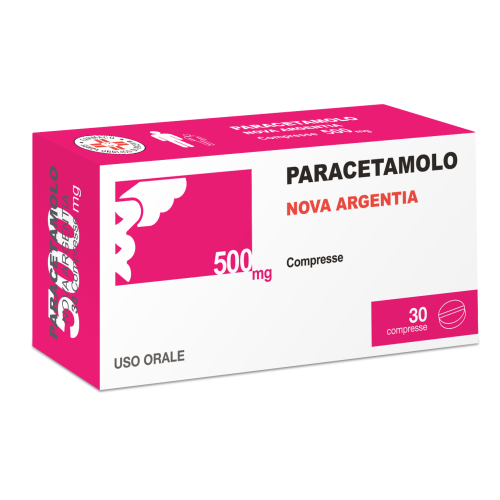
PARACETAM AUROBINDO PHARMA 500 MG COMPRESENT
active ingredients
Each tablet contains 500 mg of paracetamol. For the full list of excipients, see paragraph 6.1.Excellent
Pregelatinized starch (mais) Anidra colloidal silica Hydroxypropylcellulose (low viscosity) Sodium glyculate starch (type A) Talco Magnesio stearatoTherapeutic indications
Symptomatic treatment of mild to moderate pain and/or fever.Contraindications
Hypersensitivity to paracetamol or any of the excipients listed in paragraph 6.1.Population
Population: For oral use. Adults, elders and children over 16 years of age (weighting more than 55 kg) Take 500 mg to 1000 mg at a time, up to 3000 mg in 24 hours. The maximum daily dose of paracetamol should not exceed 3000 mg. Children aged 10 to 15 years (weighing 40 to 55 kg): Take 500 mg at a time, up to 2000 mg in 24 hours. The daily dose should not exceed 2000 mg. Not recommended in children under 10 years of age. The dose should not be repeated more frequently than every 4 hours and should not be taken more than 4 doses in 24 hours. Instructions for use: • Paracetamol tablets are not suitable for children under 10 years of age. • The interval between doses must be at least 4 hours. • You should not exceed the dose indicated due to the risk of severe liver damage (see paragraphs 4.4 and 4.9). • If the pain persists for more than 5 days or the fever persists for more than 3 days or worsens, or manifests any other symptoms, the treatment must be stopped and you should consult your doctor. • Paracetamol ingestion with foods and drinks does not affect the effectiveness of the drug. Special popularity: • In case of renal insufficiency the dose must be reduced:| Glomerular Filtration Speed | Dose |
| 10 - 50 ml/min | 500 mg every 6 hours |
| 500 mg every 8 hours |
Conservation
This medicine does not require any special condition of conservation.Warnings
Prolonged or frequent use is to avoid. Patients must be warned of the need not to take in conjunction with other products containing paracetamol. Intake of multiple daily doses or overdose can cause severe liver damage; in these cases it is necessary to immediately seek medical assistance even if the patient feels well due to the risk of irreversible liver damage (see paragraph 4.9). In young subjects treated with 60 mg/kg per day of paracetamol, the association with another antipyretic is not justified except for cases of ineffectiveness. Precaution is recommended in case of paracetaminol administration to patients with severe kidney or liver failure (Child-Pugh >9), mild to moderate liver failure (including Gilbert syndrome), acute hepatitis, concomitant treatment with medicines that alter liver function, glucose-6-phosphate dehydrase, hemolysis anemia, alcohol abuse. Overdose risks are greater in subjects with non cirrhotic hepatopathy induced by alcohol. Caution should be given in case of chronic alcoholism. Alcohol must not be taken during the treatment period. In these cases, the daily dose should not exceed 2 grams. In case of high fever, signs of secondary infection or persistence of symptoms for more than 3 days, the patient must contact a doctor. After long-term treatment (>3 months) with analgesics administered daily or with greater frequency, it can be observed onset or aggravation of headache. The headache caused by excessive use of analgesics should not be treated with an increase in the dose of the drug. In these cases, the use of analgesics must be initiated after consulting the doctor. Caution is recommended in asthmatic patients sensitive to acetylsalicylic acid because bronchospasm has been reported with paracetamol (crusade reaction). Self-medication with paracetamol should be limited when taking anticonvulsants as with the concomitant use of both medicines, liver toxicity is enhanced and bioavailability of paracetamol is reduced, especially when using high doses of paracetamol (see paragraph 5.4). Interference with laboratory exams Paracetamol can affect the test for uric acid through wolframato phosphoric acid and blood glucose-oxidase-peroxidase tests.Interactions
Paracetamol absorption speed can be increased by metoclopramide or domperidone and absorption can be reduced by choleramine. The anticoagulant effect of warfarin and other cumarinics can be enhanced by prolonged daily use of paracetamol with an increase in the risk of bleeding. Occasional doses have no significant effect. Paracetamol is widely metabolized at liver level, so it can interact with other medicines that use the same metabolic pathways or that are inhibitors/inducers of such routes. Chronic intake of alcohol or medicines that induce liver enzymes, such as rifampin, barbiturates, some anti-epileptic drugs (e.g. carbamazepine, phenytoin, phenobarbital, primidone) and St. John's herb can increase the hepatotoxicity of paracetamol due to increased and faster formation of toxic metabolites. Therefore, caution is required in case of concomitant use of enzymatic inductors. The probenecid blocks the paracetamol bond with glucuronic acid, reducing the clearance of the paracetamol by almost half. In case of concurrent treatment with probenecid, the dose of paracetamol should be reduced. Paracetamol can increase plasma concentration of chloramphenicol. Neuropenia often occurs with chronic concurrent use of paracetamol and zidovudine, probably due to reduced zidovudine metabolism. Salicylamide can prolong t½ of elimination of the paracetamol. Isoniazid reduces the clearance of the paracetamol, with possible strengthening of its action and/or its toxicity, through the inhibition of its metabolism at a liver level. Paracetamol can decrease the bioavailability of lamotrigine, with a possible reduction of its effects, due to the potential induction of its metabolism at a liver level.Effects
There are few side effects at therapeutic doses. The frequency of unwanted effects was classified as follows: very common (≥1/10), common (≥1/100, ≥1/1.000, ≥1/10.000,Overdosing
With paracetamol there is a risk of intoxication, especially in elderly people, small children, patients with liver disease, in cases of chronic alcoholism, patients with chronic malnutrition and patients treated with enzymatic inductors. Overdose can be lethal in these cases. Hepatic damage is possible in adults who have taken 6 g or more paracetamol, especially in patients with risk factors (see below). Risk factors: If the patient • is in long-term treatment with carbamazepine, phenobarbitone, phenytoin, primidone, rifampin, St. John's herb and other liver enzyme inductors. Or • regularly consumes more ethanol than recommended. Or • it is possible to suffer from glutathione depletion, e.g. food disorders, cystic fibrosis, HIV infection, malnutrition, caching. Synonyms: Symptoms of acute paracetamol intoxication can progress in numerous stages. Symptoms of paracetamol overdose in the first two days are nausea, vomiting, anorexia, pallor and abdominal pain. The mild intoxication is limited to these symptoms. When intoxication is more severe, sub-clinical symptoms appear as an increase in liver enzymes. From 2 to 4 days after exposure, clinical symptoms of liver damage manifest, such as painful hepatomegalia, jaundice, encephalopathy, coma and blood clotting disorders, all secondary to liver failure. Insufficiency of kidney function is rare. Severe poisoning can cause metabolic acidosis. Treatment: You must follow the local guidelines for the treatment of paracetamol overdose. Immediately after taking an excessive dose of paracetamol, which can lead to severe intoxication, a therapy that limits absorption such as gastric lavender within an hour of taking or administering activated carbon can be performed. As an antidote can be administered N-acetylcysteine (NAC). For NAC administration and further treatment, the concentration of paracetamol in the blood must be determined. In general, intravenous administration is preferable, which must be continued until the paracetamol is no longer traceable. It is important to understand that taking NAC up to 36 hours after ingestion of paracetamol can improve prognosis. The oral administration of NAC should not be associated with oral administration of activated carbon. At the beginning of the treatment should be performed analysis of liver function, to be repeated every 24 hours. In most cases, hepatic transaminers return to the norm in two weeks after taking overdose with a complete recovery of liver function. However, in very rare cases a liver transplant may be required.Pregnancy: Epidemiological data on the oral use of therapeutic doses of paracetamol are not indicative of adverse effects on pregnancy or health of fetus/neonate. As a result, in normal conditions, the paracetamol can be used throughout pregnancy. Food: After oral administration, the paracetamol is excreted in breast milk in small quantities, in any case in non clinically relevant quantities. So far, there are no known side effects or side effects during breastfeeding. Paracetamol can be used by women breast-feeding, therapeutic doses. Fertility: With normal use of paracetamol no known harmful effects on fertility.
Source: Farmadati