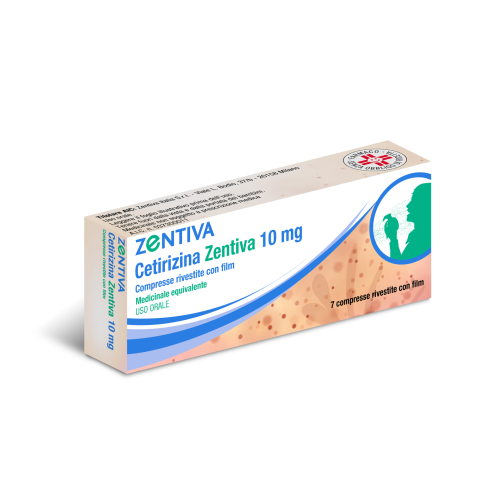
Descrizione Clinica
Antihistamines Fexallegra 10cpr riv 120mg
FEXALLEGRA 120 MG FILM
active ingredients
One tablet contains: Active ingredient: 120 mg of fexofenadine hydrochloride, equal to 112 mg of fexofenadine. For the full list of excipients, see paragraph 6.1Excellent
Compressed core microcrystalline cellulose; pregelatinized corn starch; sodium croscarmellosa; magnesium stearate Film coating ipromellosa; povidone K30; titanium dioxide (E171); colloidal silica anidra; macrogol 400; red iron oxide (E172), yellow iron oxide (E172).Therapeutic indications
Fexallegra is indicated in adults and children aged 12 for symptomatic treatment of allergic rhinitis.Contraindications
The medicinal product is contraindicated in patients with hypersensitivity to the active ingredient or any of the excipients listed in the paragraph 6.1.Population
Population Adults The recommended dose of fexofenadine hydrochloride for adults is 120 mg once a day, before meals. Fexofenadine is a pharmacologically active metabolite of terfenadine. Children 12 years of age and beyond The recommended dose of fexofenadine hydrochloride for children from 12 years of age is 120 mg once a day, before meals. Children under 12 years of age The effectiveness and safety of fexofenadine hydrochloride 120 mg have not been studied in children under 12 years of age. In children from 6 to 11 years of age: fexofenadine Hydrochloride 30 mg tablets is the appropriate formulation for administration and dosage in this population. Special populations Studies carried out in groups of patients at risk (elders, patients with kidney or liver failure) indicate that it is not necessary to adapt the dose of fexofenadine hydrochloride in these patients.Conservation
This medicine does not require any special precaution for conservation.Warnings
Data relating to elderly people and patients with impairment of kidney or liver function are limited. Fexofenadine Hydrochloride should be given carefully to such groups of subjects (see paragraph 4.2). Patients suffering from early or ongoing cardiovascular diseases must be informed that antihistamines, as a class of medicines, have been associated with unwanted reactions such as tachycardia and palpitations (see paragraph 4.8). Fexallegra contains sodium This medicine contains less than 1 mmol (23 mg) of sodium per tablet, i.e. it is essentially “without sodium”.Interactions
The fexofenadine does not undergo liver biotransformations and therefore will not interact with other medicines at the level of liver mechanisms. It has been found that the contemporary administration of fexofenadine hydrochloride and erythromycin or ketoconazole increases the plasma levels of fexofenadine by 2-3 times. Such alterations have not been accompanied by any effect on the QT range and have not been associated with any increase in adverse reactions compared with the same medicines administered individually. Studies on the animal have shown that the increase in plasma levels of fexofenadine observed after the concomitant treatment with erythromycin or ketoconazole seems to be caused by an increase in gastrointestinal absorption and respectively by a decrease in both biliary excretion and gastrointestinal secretion. Interaction between fexofenadine and omeprazole was not observed. However, the administration of an anti-acid containing aluminum and magnesium hydroxide 15 minutes before the administration of fexofenadine hydrochloride caused a reduction of bioavailability, most likely due to bonds in the gastrointestinal tract. A 2-hour interval between the administration of fexofenadine hydrochloride and antacids containing aluminum and magnesium hydroxide is recommended.Effects
The following frequency class was used when applicable: very common (≥ 1/10); common (≥ 1/100 and Nervous system pathologies. Common: headache, drowsiness, dizziness. Gastrointestinal disease. Common: nausea. Systemic pathologies and conditions for administration. Not common: fatigue. In adults, the following side effects were reported in post-marketing surveillance. The frequency with which they are present is not known (an estimate cannot be made on the basis of the available data): Immune system disorders: Reactions of hypersensitivity with manifestations like angioedema, thoracic oppression, dispnea, hot flashes and systemic anaphylaxis. Psychiatric disorders: Insomnia, nervousness, sleep disorders or nightmares/ excess of dreams (paroniria). Heart disease: Tachycardia, palpitations. Gastrointestinal diseases: Diarrhea. Pathologies of skin and subcutaneous tissue: Rash, hives and itching. Reporting of suspicious adverse reactions The reporting of suspicious adverse reactions that occur after the authorization of the medicinal product is important, as it allows continuous monitoring of the benefit/risk ratio of the medicinal product. Healthcare workers are required to report any suspected adverse reaction via the national reporting system at the address https://www.aifa.gov.it/content/segnalazioni-reazioni-avverse.Overdosing
Following overdose of fexofenadine hydrochloride were reported dizziness, drowsiness, fatigue and dry mouth. Single doses up to 800 mg and doses up to 690 mg twice a day for a month or 240 mg once a day for a year were given to healthy volunteers without giving rise to clinically significant adverse reactions if compared to placebo. The maximum tolerated dose of fexofenadine hydrochloride has not been established. Standard measures must be taken to remove the unabsorbed drug. Syntomatic and support treatment is recommended. Hemodialysis does not effectively remove fexofenadine hydrochloride from the blood.Pregnancy
There is no adequate data on the use of fexofenadine hydrochloride in pregnant women. Limited studies on animals do not indicate direct or indirect harmful effects on pregnancy, embryo/fetal development, birth or post-natal development (see paragraph 5.3). Fexofenadine Hydrochloride should not be used during pregnancy if not in case of absolute necessity.Food
There is no data on concentration in breast milk after administration of fexofenadine hydrochloride. However, when terfenadine was given to nursing mothers, it was found that fexofenadine passes into breast milk. Therefore the use of fexofenadine hydrochloride is not recommended during breastfeeding.Fertility
Data on the effect of fexofenadine hydrochloride on human fertility are not available. In mice, treatment with fexofenadine hydrochloride showed no effect on fertility (see paragraph 5.3).Source: Farmadati