Descrizione Clinica
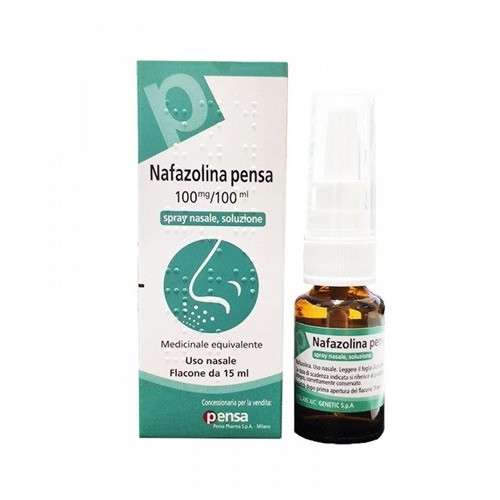
Nasal decongestionants Nazar spray nas 15ml 100mg/100
NAZAR 100 MG/100 ML NASAL SPRAY, DEAL
active ingredients
1 ml of solution contains: Active ingredient: Nafazolina Nitrato 1 mg For full list of excipients, see paragraph 6.1.Excellent
Sodium chloride, disodium edetate, sodium phosphate monobasic dihydrate, concentrated phosphoric acid, benzalconio chloride, balsamic aroma, water for injectable preparations.Therapeutic indications
Nasal decongestant in progress of cathartic acute rhinitis and pharyngitis, allergic rhinitis, acute sinusitis.Contraindications
Hypersensitivity to the active ingredient or any of the excipients. Heart disease and severe arterial hypertension. Glaucoma. Hyperthyroidism. The medicinal product is contraindicated in children under 12 years old . Do not administer during and in the two weeks following treatment with antidepressant drugs.Population
Adults: 1-2 nebulizations in each nostril, 2-3 times a day. Pediatric Population: The medicinal product is contraindicated in children under the age of 12 (see paragraph 4.3). Strictly stick to the recommended doses. A higher dose of the product even if taken in a topical way and for a short period of time can give rise to serious systemic effects. In the absence of complete therapeutic response within a few days, consult your doctor; in any case, treatment should not be protracted for over a week.Conservation
Store in the original packaging.Warnings
Carefully use in the elderly and prostate hypertrophy carriers for the danger of urinary retention. In patients with cardiovascular diseases, especially in hypertensives, the use of nasal decongestants must be subjected to the doctor’s judgement. Protracted use of vasoconstrictors can alter the normal function of the mucosa of the nose and of the paranasal breasts by also inducing addiction to the drug. Repeating applications for a long time may be harmful. Benzalconio chloride (BAC) contained as a preservative in NAZAR SPRAY NASALE, especially when used for long periods, can cause a swelling of the nasal mucosa. If this reaction is suspected (persistent nasal congestion), it should be used, if possible, a nasal medication without BAC. If such nasal medications without BAC were not available, it should be considered another pharmaceutical form. It can cause bronchospasm. The use, especially if prolonged, of topical products can give rise to phenomena of awareness; in this case it is necessary to stop treatment and, if necessary, to establish suitable therapy. With the use of sympathomimetic drugs, which also belongs to nafazoline, rare cases of reversible back encephalopathy/reversible syndrome from cerebral vasoconstriction have been reported. The reported symptoms include sudden occurrence of severe headache, nausea, vomiting and vision disorders. Most cases improve or resolve in a few days following appropriate treatment. The use of nafazoline must be immediately interrupted and the doctor must be consulted if signs and/or symptoms of reversible rear encephalopathy/reversible syndrome from cerebral vasoconstriction occur.Interactions
The drug can interact with antidepressant drugs.Effects
The product can determine locally phenomena of rebound of awareness and congestion of mucous membranes. For rapid absorption of nafazoline through inflamed mucosa, systemic effects can occur consisting of arterial hypertension, reflex bradycardia, headache, urination disorders.Overdosing
The product, if accidentally ingested or used for a long time at excessive doses, may cause toxic phenomena. It must be kept away from the reach of children since accidental ingestion can cause marked sedation. In case of overdose, arterial hypertension, tachycardia, photophobia, intense headache, thoracic oppression and, in children, hypothermia and severe depression of the Central Nervous System with strong sedation, requiring the adoption of adequate emergency measures.Pregnant and lactating NAZAR SPRAY NASALE should only be used after consulting your doctor and evaluating your risk/benefit relationship with him.
Source: Farmadati