Descrizione Clinica
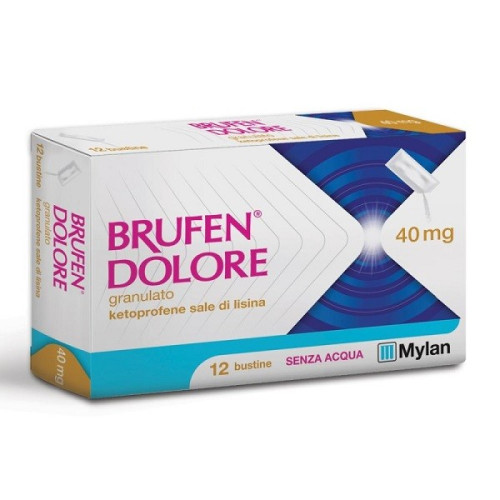
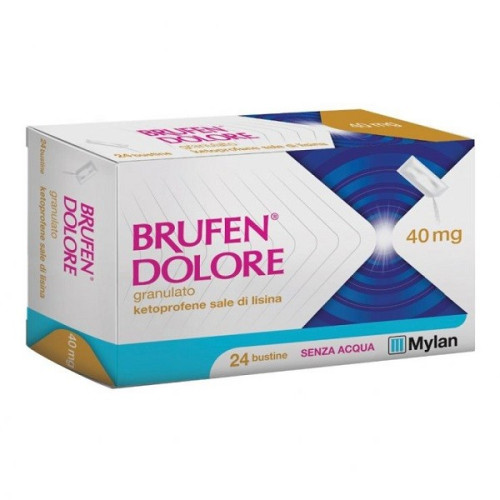
Anti-inflammatory Okitask os grat 10bust 40mg Oki
OKITASK 40 MG FREE
active ingredients
Each bag contains: Active ingredient: ketoprofene salt of lysine 40 mg (corresponding to 25 mg of ketoprofene). Excipients with known effect: aspartame, sodium dodecil sulphate. For the full list of excipients, see paragraph 6.1.Excellent
Povidone, colloidal silica, hydroxypropylmethylcellulose, eudragit EPO, sodium dodecil sulphate, stearic acid, magnesium stearate, aspartame, mannitol, xylitol, talc, lime aroma, lemon aroma, fresh aromafort.Therapeutic indications
Pain from different origins and nature, and in particular: headaches, toothaches, nerves, menstrual pains, muscle pain and osteoarthritis.Contraindications
Okitask 40 mg granulate should not be administered in the following cases: • hypersensitivity to the active ingredient, to other non-steroidal anti-inflammatory drugs (FANS) or to any of the excipients listed in paragraph 6.1; • asthma, bronchospasm, acute rhinitis, hives, skin rashes, nasal polyps, angioneurotic edema or other allergic reactions caused by ketoprofen, or by medicines with analogous mechanism of action (e.g. acetylsalicylic acid, other NSAIDs and selective inhibitors of cyclo-oxidase 2), see paragraph 4.8; •; • severe heart failure; • gastritis; • peptic ulcer/active hemorrhage or history of hemorrhage/recurring peptic ulcer (two or more distinct episodes of proven ulceration or hemorrhage); • previous anamnestics of gastrointestinal hemorrhage, ulceration or perforation or chronic dyspepsia; • history of gastrointestinal bleeding or perforation resulting in previous therapy with NSAIDs; • Crohn's disease or ulcerative colitis; • severe liver failure (hepatic cirrhosis, severe hepatitis); • severe kidney failure; • leucopenia and piastrinopenia; • hemorrhagic diathesis and other coagulation disorders, hemostatic disorders; • use of a high dose of diuretics; • third trimester of pregnancy; • under 15 years.Dosage
Posology. Adults and older than 15 years: the recommended dose is 40 mg (corresponding to 1 sachet), in single dose, or repeated 2-3 times a day, in painful forms of greater intensity. Do not exceed the recommended doses. Special popularity. Seniors: Posology must be carefully established taking into account a possible reduction of the dosages indicated above. Patients with liver or kidney failure: Daily minimum dose therapy is recommended and careful monitoring (see paragraph 4.4). In case of kidney failure it is recommended to check the volume of diuresis and renal function (see paragraph 4.4). Okitask 40 mg granulate should not be used in patients with severe liver or kidney dysfunction (see paragraph 4.3). Pediatric population: The safety and effectiveness of Okitask 40 mg granulate in children have not yet been established. Method of administration: The contents of the sachet can be placed directly on the tongue. It dissolves with saliva: this allows the use without water. It is preferable to take the product on a full stomach. Duration of treatment: The duration of the therapy must be limited to overcoming the painful episode. The lowest effective dose should be used for the shortest period necessary to relieve symptoms (see paragraph 4.4).Conservation
This medicine does not require any special condition of conservation.Warnings
Warnings: Undesirable effects can be minimized with the use of the lowest effective dose for the shortest possible duration of treatment needed to control symptoms (see paragraph 4.2 and the underlying sections on gastrointestinal and cardiovascular risks). Concurrent use of Okitask 40 mg granulated with other NSAIDs, including selective cyclooxygenase-2 inhibitors, should be avoided. Gastrointestinal reactions: Gastrointestinal hemorrhage, ulceration and drilling: during treatment with all NSAIDs, at any time, with or without warning symptoms or previous history of serious gastrointestinal events, gastrointestinal hemorrhage, ulceration and perforation, which may be fatal. In patients with ulcer history, especially if complicated by hemorrhage or perforation (see paragraph 4.3), the risk of gastrointestinal hemorrhage, ulceration or perforation is higher with increased doses of NSAID. These patients must begin treatment with the lowest possible dose. Concurrent use of protective agents (misoprostol or protonic pump inhibitors) must be considered for these patients and also for patients taking low doses of acetylsalicylic acid or other drugs that may increase the risk of gastrointestinal events (see below and paragraph 4.5). Patients with history of gastrointestinal toxicity, especially the elderly, must report any symptom and/or abdominal sign (including gastrointestinal bleeding) even at the beginning of treatment. Caute should be lent to patients taking concomitant medications that could increase the risk of ulceration or hemorrhage, such as oral corticosteroids, anticoagulants such as warfarin, selective serotonin reuptake inhibitors or anti-aggregating agents such as acetilsalicylic acid (see paragraph 4.5). Seniors: The elderly have an increased frequency of adverse reactions to the NSAIDs, especially hemorrhages and gastrointestinal perforations, which can be fatal (see paragraph 4.2). Patients with gastrointestinal disease in place or in advance should be carefully supervised for the appearance of digestive disorders, especially gastrointestinal bleeding. When you experience bleeding or gastrointestinal ulceration in patients taking Okitask 40 mg granulate treatment should be suspended. Patients with active or previous peptic ulcer: Some epidemiological evidence suggests that ketoprofen may be associated with a high risk of severe gastrointestinal toxicity compared to other NSAIDs, especially at high doses (see paragraphs 4.2 and 4.3). Skin reactions: Severe skin reactions some of which fatal, including exfoliative dermatitis, Stevens-Johnson syndrome and toxic epidermal necrolysis, have been reported very rarely in association with the use of NSAIDs (see paragraph 4.8). At the beginning of treatment patients seem to be at higher risk. Okitask 40 mg granulate must be stopped at the first appearance of skin rash, mucosa lesions or any other sign of hypersensitivity. Precautions. Cardiovascular, kidney and liver dysfunction: In patients with impaired kidney function the administration of ketoprofen should be carried out with particular caution in view of the essentially renal elimination of the drug. Renal function must be carefully monitored in patients with heart failure, cirrhosis and nephrosis, in patients receiving diuretic therapy, in patients with chronic kidney impairment, especially if patients are elderly. In these patients, the administration of ketoprofen can cause a decrease in kidney blood flow caused by the inhibition of prostaglandins and lead to a renal breakdown (see paragraph 4.3). Caution is also required in patients with diuretic therapy or hypovolemic probability because the risk of nephrotoxicity is increased. As with all NSAIDs, Okitask 40 mg granulate can increase plasma ureic nitrogen and creatinine. As with other prostaglandin synthesis inhibitors, Okitas 40 mg granulate can be associated with adverse events on the kidney system that can lead to glomerular nephritis, kidney papillar necrosis, nephrotic syndrome and acute kidney failure (see paragraph 4.8). In patients with abnormal liver function values or hepatic disease history, transaminasis levels must be evaluated periodically. As with other NSAIDs, Okitask 40 mg granulate can cause increases in certain hepatic parameters and also significant increases in SGOT and SGPT (see paragraph 4.8). In the event of a significant increase in these parameters, therapy must be interrupted. With the use of ketoprofen, cases of jaundice and hepatitis were reported (see paragraph 4.8). Senior patients are more prepared to reduce renal, cardiovascular or liver function. Cardiovascular and cerebrovascular effects: As with other NSAIDs, patients with uncontrolled hypertension, congestive heart failure, established ischemic cardiopathy, peripheral arterial disease and/or cerebrovascular disease must be treated with ketoprofen only after careful evaluation. Analogue considerations must be made before starting treatment in patients with risk factors for cardiovascular disease (e.g. hypertension, hyperlipidemia, diabetes mellitus, smoking). Caution is required before starting treatment in patients with positive anamnesiums for hypertension and/or congestive heart failure from mild to moderate as retention of fluids and edema related to treatment with NSAIDs have been found. Clinical studies and epidemiological data suggest that the use of some NSAIDs may be associated with an increase in the risk of arterial thrombotic events (e.g. myocardial infarction or stroke). There is not enough data to exclude a similar risk to Okitask 40 mg granulate An increase in the risk of atrial fibrillation associated with the use of NSAIDs has been reported. Hyperkaliemia can occur, especially in patients with underlying diabetes, kidney failure, and/or concomitant treatment with hyperkaliemia agents (see paragraph 4.5). In these circumstances, potassium levels must be evaluated periodically. Infections. Masking the symptoms of underlying infections: Okitask 40 mg granulate can mask the symptoms of infection, which may delay the start of proper treatment and therefore worsen the outcome of the infection. This was observed in bacterial pneumonia acquired in communities and bacterial complications of chickenpox. When Okitask 40 mg granulate is administered for relief from fever or pain related to infection, it is recommended to monitor the infection. In non-hospital contexts, the patient should contact the doctor if symptoms persist or worsen. Respiratory diseases: Like all nonsteroidal drugs the use of ketoprofen in patients with bronchial asthma or with allergic diathesis can cause an asthmatic crisis. Patients with asthma associated with chronic rhinitis, chronic sinusitis and/or nasal polypoxes are most exposed to the risk of allergy to acetyllic acid and/or NSAIDs than the rest of the population. The administration of this drug may cause asthmatic crises or bronchospasm, shocks and other allergic phenomena, especially in individuals allergic to acetylsalicylic acid or NSAIDs (see paragraph 4.3). Due to the action on the metabolism of arachidonic acid, in asthmatics and predisposed subjects can arise bronchospasm crisis and possibly shock and other phenomena allergici.Somministrare with caution in patients with allergic manifestations or early allergy. Visual disturbances: In case of vision disorders, as blurred vision, it is necessary to stop treatment. Okitask 40 mg granulate must be administered with caution in patients suffering from hematopoietic alterations, systemic lupus erythematomatopathic or mixed affections of connective tissue. When Okitask 40 mg granulate is administered in patients with liver porphyria it is required attention since it could trigger an attack. Important information about some excipients: Okitask 40 mg granulate contains less than 1mmol (23 mg) of sodium per sachet, i.e. essentially 'without sodium'. Okitask 40 mg granulate contains lemon aroma and lime aroma. In lemon aroma is sucrose content. Patients with rare hereditary problems of fructose intolerance, glucose-galactosis mal absorption, or isomaltase sucrasis failure, should not take this medicine. In the lime aroma is contained glucose. Patients suffering from rare problems of glucose-galactose mal absorption should not take this medicine.Interactions
Unrecommended associations. - Other NSAIDs (including selective cyclooxygenase inhibitors 2) and high doses of salicylates (> 3 g/die): simultaneous administration of several NSAIDs can increase the risk of gastrointestinal ulcers and bleeding, due to a synergistic effect. - Antiagulants (heparin and warfarin): NSAIDs can amplify the effects of anticoagulants. If co-administration cannot be avoided, the patient must be closely monitored. - Piastrinic aggregation inhibitors (ticlopidine and chlopidogrel): simultaneous administration of an NSAID can increase the risk of bleeding by inhibition of pyastrinic function and damage to gastrointestinal mucosa (see paragraph 4.4). If co-administration cannot be avoided, the patient must be closely monitored. - Lithium: the simultaneous administration of several NSAIDs can increase plasma levels of lithium, which can reach toxic values, for a reduced renal excretion. The plasma levels of lithium must be carefully monitored and the lithium dosage must be adapted during and after the suspension of treatment with ketoprofen and with other NSAIDs. - Metotrexate, at higher doses of 15 mg/week: simultaneous administration of an NSAID can increase the risk of blood toxicity of metotrexate, especially if administered at high doses, probably due to a smoothing of binding to plasma proteins and a decrease in kidney clearance. Intake of the two medicinal products must be at least 12 hours. - Idantoins and sulphurids: the toxic effects of these substances can be increased; since the protein bond of ketoprofene is high, it may be necessary to reduce the dose of difenilidantoin or sulfamidic, in case of contemporary administration. Associations requiring precaution. - Drugs or therapeutic categories that can promote hyperkaliemia: potassium salts, potassium-saving diuretics, enzymatic converter inhibitors (ACE-inhibiters), angiotensin receptor blockers II, FANS, eparine (low molecular weight or not fractionated), cyclosporin, tacrolimus and trimetoprim. The occurrence of hyperkaliemia may depend on the presence of cofactors. The risk is strengthened in the case of contemporary administration of the drugs mentioned above. - Tenofovir: Concurrent administration of tenofovir disoproxil fumarate and FANS can increase the risk of kidney failure. - Diuretics: subjects treated with diuretics, especially in case of dehydration, are more at risk of developing kidney failure secondary to the reduction of kidney blood flow caused by the inhibition of prostaglandins. Hydration is recommended before starting concurrent therapy and close monitoring of kidney function after treatment (see paragraph 4.4). NSAIDs can reduce the effect of diuretics. - ACE inhibitors and antagonists of angiotensin II: co-administration with cyclo-oxidase inhibitors may lead to further deterioration of kidney function and possible acute kidney failure especially in dehydrated and elderly individuals. Precaution, hydration and monitoring of renal function in case of joint therapy are recommended. -Metotrexate at doses less than 15 mg/week: anti-inflammatory drugs cause a decrease in kidney clearance of metotrexate resulting in increased blood toxicity. In case of altered renal function or advanced age monitoring must have a higher frequency. - Corticosteroids: the contemporary administration of NSAIDs can increase the risk of gastrointestinal ulceration or bleeding (see paragraph 4.4). - Pentoxyphylline: co-administration can lead to increased bleeding risk: bleeding time is recommended. - Zidovudine: combination with NSAID increases the risk of toxicity on reticulocytes, with severe anemia manifesting a week after the start of treatment with NSAIDs. It is necessary to check the complete hemocytometric examination and counting of reticulocytes a week after starting treatment with the NSAID. - Solfoniluree: NSAIDs can increase the hypoglycemic effect of the solfoniluree by spying on them from linked sites with plasma proteins. Any interactions with other oral hypoglycemizers should be kept in mind. - Cardioactive glycosides: NSAIDs can exacerbate heart failure, reduce glomerular filtration rate and increase heart glycoside levels; however, drug interaction between ketoprofen and active glycosides has not been demonstrated. Associations that need to be considered. - Antihypertensive agents (Beta-blockers, ACE diuretic inhibitors): treatment with an NSAID can reduce the effect of antihypertensive drugs by inhibiting the synthesis of vasodilating prostaglandins. - Mifepristone: the effectiveness of the contraceptive method can, theoretically, be reduced due to the antiprostaglandiniche properties of the NSAIDs including acetylicylic acid. There are some evidence that the simultaneous administration of FANS on the day of administration of the dose of prostaglandin does not adversely affect the effects of mifepristone or prostaglandin on cervical maturation or uterine contractility and does not reduce the clinical effectiveness of the medical interruption of pregnancy. - Intrauterine contraceptive devices (IUDs): the effectiveness of the device can be reduced with consequent pregnancy. - Ciclosporin and tacrolimus: contemporary treatment with NSAIDs can lead to a greater risk of nephrotoxicity especially in elderly individuals. - Trombolitics: simultaneous administration with NSAIDs can increase the risk of bleeding. - Anti-aggregating agents (ticlopidine and chlopidogrel) and selective serotonin reuptake inhibitors (SSRIs): FANS can increase the risk of gastrointestinal hemorrhage (see paragraph 4.4). - Probenecid: the concomitant administration of probenecid can clearly reduce the plasma clearance of ketoprofen for inhibition of tubular secretion and glucuronoconjugation, therefore it is necessary to adapt the dose of ketoprofen. - Chinolonic antibiotics: animal data indicate that NSAIDs can increase the risk of seizures related to the use of kinolonics. Patients in treatment with NSAIDs and Chinoloni may have an increased risk of developing seizures. - Defenilidantoin and sulfamidic: since the protein bond of ketoprofen is high, it may be necessary to reduce the dose of difenilidantoin or sulfamidic in case of co-administration. - Gemeprost: joint use with an NSA can reduce its effectiveness. Intake of alcohol during treatment is to be avoided.Effects
The most commonly observed adverse events are gastrointestinal. Classification of expected frequencies: very common (1/10), common (from 1/100 to ≤1/10), not common (from 1/1000 to ≤1/100), rare (from 1/10000 to ≤1/1000), very rare (≤1/10000), unknown (frequency cannot be defined on the basis of available data). The following adverse reactions were observed with the use of ketoprofen in adults:| Classification for systems and organs MedDRA | Very common (≥1/10) | Common (≥1/100, | Not common (≥1/1.000, | Rare (≥1/10.000, | Very rare ( | Frequency not known |
| Emolinfopoietic system pathologies | hemorrhagic anemia | thrombocytopenia, agranulocytosis, medullary insufficiency, hemolytic anemia, leukopenia, neutropenia, aplastic anemia, leukocytosis, thrombocytopenic purple. | ||||
| Immune system disorders | anaphylactic reaction (including shock), hypersensitivity | |||||
| Gastrointestinal diseases | dyspepsia, nausea, abdominal pain, vomiting | stipsi, diarrhea, flatulence, gastritis | stomatitis, peptic ulcer | exacerbation of colitis and Crohn's disease, gastrointestinal hemorrhage, gastrointestinal perforation (sometimes fatal, especially in the elderly - see paragraph 4.4), gastric ulceration, mouth ulceration, duodenal ulcer, duodenal perforation, melena, abdominal discomfort, colitis, gastric pyrosis, mouth edema, pancreatite | ||
| Pathologies of skin and subcutaneous tissue | rash, itching | erythema | photosensitivity reaction, alopecia, hives, angioedema, bollous dermatitis including Stevens-Johnson syndrome and toxic epidermal necrolysis, edema, hexantema, Lyell syndrome, maculo-papula esantema, porpora, hexantematic acute generalized acute, dermatitis | |||
| Systemic pathologies and conditions for administration | fatigue, | face edema | peripheral edema, bruises, astenia | |||
| Diseases of the nervous system | headache, dizziness, drowsiness | the week | seizures, dysgeusia, capogiro, discinesia, sincope, tremor, hypercinesia | |||
| Pathologies of the eye | blurred vision (see paragraph 4.4) | periorbital edema | ||||
| Ear and labyrinth pathologies | tinnitus | |||||
| Hepatobiliary diseases | hepatitis, increased transaminasis, increased blood bilirubin | itterosexual | ||||
| Respiratory, chest and mediastinic pathologies | asbestos | bronchospasm (especially in patients with hypersensitivity ascertained to acetylsalicylic acid and other NSAIDs), rhinitis, dispnea, larynx edema, laryngospasm, acute respiratory failure (a fatal case has been reported in an asthmatic patient and sensitive to acetylsalicylic acid). | ||||
| Kidney and urinary pathologies: | acute kidney failure, piping-interstitial nephritis, nephritic syndrome, abnormal kidney function test, hematuria, nephritis, nephrosic syndrome, glomerulonephritis, water/sodium retention with possible edema, acute tubular necrosis, kidney papillar necrosis, oliguria | |||||
| Psychiatric disorders | altered mood, depression, hallucination, confusion, agitation, insomnia | |||||
| Heart disease | heart failure, atrial fibrillation, palpitations, tachycardia | |||||
| Vascular diseases | hypertension, vasodilation, hypotension, vasculitis (including leukocytoclastic vasculitis) | |||||
| Disorders of metabolism and nutrition | hyperpotassiemia, iponatremia | |||||
| Infections and infestations | aseptic meningitis, lymphangitis | |||||
| Diagnostic examinations | Increased weight |
Overdosing
Overdose cases were reported with doses of up to 2.5 g ketoprofen. In most cases, the observed symptoms were limited to lethargy, confusion, loss of consciousness, drowsiness, headache, dizziness, dizziness, dizziness, nausea, vomiting, epigastric pain, abdominal pain and diarrhea. In case of severe overdose, gastrointestinal hemorrhage, hypotension, respiratory depression and cyanosis may also occur, in this case the patient must be immediately transferred to a specialized hospital center to begin symptomatic treatment. There are no specific antidotes in case of overdose of ketoprofen. In case of suspected mass overdose, a gastric lavender is recommended and it is recommended to establish a symptomatic and support treatment to compensate for dehydration, monitor urinary excretion and correct acidosis if present. In cases of kidney failure, hemodialysis can be useful to remove the drug in circulation.Pregnancy:
The use of ketoprofen during the first and second trimester of pregnancy must be avoided, the administration of ketoprofen should be taken into account only if the expected benefit for the mother exceeds the risk for embryo or fetus. Inhibition of prostaglandin synthesis may adversely affect pregnancy and/or embryo/fetal development. Results of epidemiological studies suggest an increased risk of abortion and heart disease and gastroschisis after the use of an inhibitor of prostaglandin synthesis in the early stages of pregnancy. The absolute risk of heart failure increased from less than 1% to about 1.5%. It has been considered that the risk increases with dose and duration of therapy. In animals, the administration of prostaglandin synthesis inhibitors showed an increase in the loss of pre- and post-plant and embryo-fetal mortality. In addition, an increase in the incidence of various malformations, including cardiovascular disorders, was reported in animals that had been given prostaglandin synthesis inhibitors during the organogenetic period. Therefore ketoprofen should not be administered during the first and second trimester of pregnancy, if not strictly necessary. If ketoprofen is used by a woman who wishes a pregnancy, or during the first and second trimester of pregnancy, the dosage must be kept as low as possible for the shorter duration of treatment as possible. During the third trimester of pregnancy, all prostaglandin synthesis inhibitors can expose the fetus to: - cardiopulmonary toxicity (with premature closure of arterial duct and pulmonary hypertension); - kidney dysfunction, which can progress in kidney failure with oligo-idroamnios; the mother and the newborn, at the end of pregnancy, to: - possible prolongation of the bleeding time and anti-aggregating effect that can also be necessary at very low doses; - inhibition of uterine contractions resulting in delay or extension of labor. The use of the medicine near the childbirth can cause alterations of the hemodynamics of the small circle of the child with serious consequences for breathing. As a result, ketoprofen is contraindicated during the third trimester of pregnancy.Nursing:
There is no information available on the excretion of ketoprofene in breast milk. Ketoprofen is not recommended during breastfeeding.Fertility:
The use of NSAIDs can reduce female fertility and is therefore not recommended in women wishing to begin a pregnancy. The administration of NSAIDs, as well as of Okitask 40 mg granulate, must be suspended in women who have fertility problems or who are subject to fertility investigations.Source: Farmadati