Descrizione Clinica
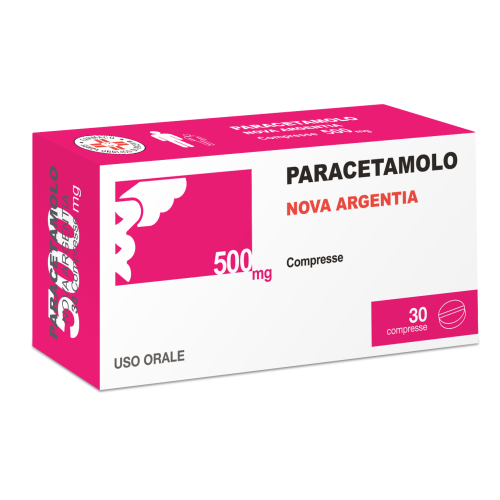
PARACETAM SELLA 500 MG COMPRESENT
active ingredients
One tablet contains active ingredient: paracetamol 500 mg Eccipients with known effect: lactose. For the full list of excipients, see paragraph 6.1.Excellent
Lactose, Rice starch, Hydroxypropylcellulose, Polyvinylpyrrolidone, Crospovidone, Magnesium stearate, Talco, Silice colloidal.Therapeutic indications
How antipyretic: symptomatic treatment of feverish affections such as influenza, hexanthomatic diseases, acute affections of the respiratory tract, etc. As analgesic: cephales, neuralgies, myalgies and other painful manifestations of medium-sized, of various origin.Contraindications
Hypersensitivity to paracetamol or any of the excipients.Population
For children it is essential to respect the defined dosage according to their body weight. Approximate ages according to body weight are indicated as information. In adults, the maximum oral posology is 3000 mg of paracetamol per day (see paragraph 4.9). Children weighing between 21 and 25 kg (approximately between 6 and 10 years): 1⁄2 tablet at a time, to be repeated if necessary after 4 hours, without exceeding 6 administrations per day. Children weighing between 26 and 40 kg (approximately between 8 and 13 years): 1 tablet at a time, to be repeated if necessary after 6 hours, without exceeding 4 administrations per day. Children weighing between 41 and 50 kg (approximately between 12 and 15 years): 1 tablet at a time, to be repeated if necessary after 4 hours, without exceeding 6 administrations per day. Children weighing more than 50 kg (approximately over 15 years): 1 tablet at a time, to be repeated if necessary after 4 hours, without exceeding 6 administrations per day. Adults: 1 tablet at a time, to be repeated if necessary after 4 hours, without exceeding 6 administrations per day. In case of severe pain or high fever, 2 tablets of 500 mg to be repeated if necessary after not less than 4 hours.Conservation
Store in the original container.Warnings
In rare cases of allergic reactions administration must be suspended and appropriate treatment must be established. Carefully use in subjects with glucose-6-phosphate dehydrogenase deficiency. High or prolonged doses of the product may result in a high-risk hepatopathy and alterations to the kidney and blood even severe, so the administration in subjects with kidney failure should only be carried out if effectively necessary and under the direct control of the doctor. Paracetamol should be administered with caution to patients with mild to moderate hepatocellular insufficiency (including Gilbert's syndrome), severe liver failure (Child-Pugh > 9), severe liver failure, acute hepatitis, in concomitant treatment with drugs that alter liver function, glucose-6-phosphate dehydrogenase deficiency, hemolytic anemia. During treatment with paracetamol before taking any other medication check that does not contain the same active ingredient, since if the paracetamol is taken in high doses severe adverse reactions may occur. It is recommended caution if the paracetamol is administered in conjunction with flucloxacillin due to increased risk of metabolic acidosis with high anionic gap (HAGMA), in particular in patients with severe renal impairment, sepsis, malnutrition and other sources of glutathione deficiency (e.g. chronic alcoholism), as well as in those using the daily maximum doses of paracetamine. Careful monitoring is recommended, including the measurement of 5-oxoproline urinary. Invite the patient to contact the doctor before associating any other medication. See also paragraph 4.5. Do not administer for more than 3 consecutive days without careful medical evaluation. Important information about some excipients:- Lactose: patients with rare hereditary problems of galactose intolerance, total deficit lactase or mal absorption of glucose-galactose should not take this medicine.Interactions
The oral absorption of the paracetamol depends on the speed of gastric emptying. Therefore, the concomitant administration of drugs that slow (e.g. anti-linergics, opioids) or increase (e.g. procinetics) the speed of gastric emptying can determine respectively a decrease or increase of the bioavailability of the product. Concurrent administration of cholasteramine reduces the absorption of paracetamol. Contemporary intake of paracetamol and chloramphenicol can lead to an increase in the half-life of chloramphenicol, with the risk of increasing its toxicity. Concurrent use of paracetamol (4 g per day for at least 4 days) with oral anticoagulants can induce variations in INR values. In these cases a more frequent monitoring of INR values must be conducted during concurrent use or after its interruption. Use with extreme caution and under strict control during chronic treatment with drugs that can determine the induction of hepatic monoxygenases or in case of exposure to substances that may have such an effect (e.g. reampycin, cimetidine, antiepileptics such as glutetimmide, phenobarbital, carbamazepine). The same applies in cases of ethylism and in patients treated with zidovudine. Paracetamol administration may interfere with the determination of uricemia (by the method of phosphotungstic acid) and glycemia (by the method of glucose-oxidase-peroxidase). Be careful when paracetamol is used in conjunction with flucloxacillin since concurrent intake was associated with metabolic acidosis with high anionic gap, especially in patients with risk factors (see paragraph 4.4).Effects
The following are the adverse reactions of paracetamol organized according to the MedDRA systematic organ classification.There are insufficient data to establish the frequency of the individual effects listed.| Emolinfopoietic system pathologies | Trombocytopenia, leucopenia, anemia, agranulocytosis |
| Immune system disorders | Hypersensitivity reactions (rash cutanei with erythema or hives, angioedema, larynx edema, anaphylactic shock) |
| Diseases of the nervous system | Vertigo |
| Gastrointestinal diseases | Gastrointestinal reaction |
| Hepatobiliary diseases | Abnormal liver function, hepatitis |
| Pathologies of skin and subcutaneous tissue | Erythema multiforme, Stevens Johnson syndrome, Epidermal necrolysis, Skin rash |
| Kidney and urinary pathologies | Acute renal insufficiency, interstitial nephritis, hematuria, anuria |
Overdosing
Synonyms In case of accidental intake of very high doses of paracetamol, acute intoxication manifests with anorexia, nausea and vomiting followed by deep decay of general conditions; such symptoms usually appear within the first 24 hours. In case of hyperdosage, paracetamol can cause liver cytolysis that can evolve towards massive and irreversible necrosis, resulting in hepatocellular insufficiency, metabolic acidosis and encephalopathy, which can lead to coma and death. Simultaneously, an increase in levels of hepatic transaminasis, lactic-dehydrogenase and bilirubinemia are observed, and a reduction in levels of protrombine, which can occur in 12-48 hours after ingestion. Treatment The measures to be taken consist of early gastric emptiness and hospital treatment for the case, by administration, as early as possible, of N-acetylcysteine as an antidote: posology is 150 mg/kg e.v. in glucosated solution in 15 minutes, then 50 mg/kg in the next 4 hours and 100 mg/kg in the following 16 hours, for a total of 300 mg/kg in 20 hours.A large amount of data on pregnant women do not indicate neither malformative toxicity, nor fetal/neonatal toxicity. Epidemiological studies on neurological development in children exposed to paracetamol in uterus show non-conclusive results. If clinically necessary, paracetamol can be used during pregnancy, however it should be used at the lowest effective dose for as short as possible and with the lowest frequency possible. Despite clinical studies in pregnant or breastfeeding patients, there is no evidence of any particular contraindications to the use of paracetamol or undesirable effects to the mother or child, it is recommended to administer the product only in cases of actual need and under the direct control of the doctor.
Source: Farmadati