ACETAMOL
active ingredients
ACETAMOL 300 mg effervescent granules One sachet contains:
Active ingredient: paracetamol 300 mg Excipients with known effects:
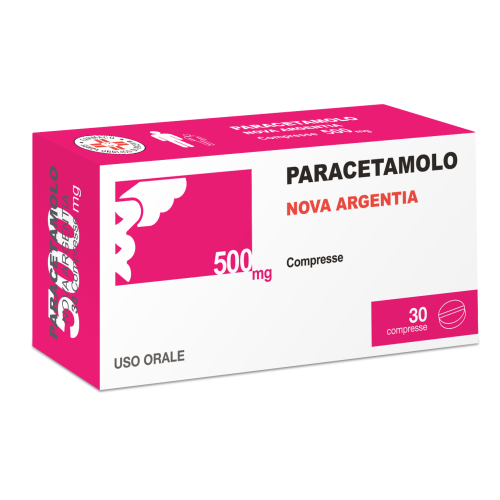
sodium 356 mg sucrose 300 mg ACETAMOL adults 500 mg tablets One tablet contains: Active ingredient: paracetamol 500 mg ACETAMOL early childhood 25 mg/mL syrup 1 ml of syrup contains:
Active ingredient:
paracetamol 25 mg Excipients with known effects:
sucrose 300 mg methyl parahydroxybenzoate 0.90 mg propyl parahydroxybenzoate 0.10 mg sodium 2.85 mg 100 ml of syrup contains: Active ingredient: paracetamol 2.5 g Excipients with known effects:
sucrose 30 g methyl parahydroxybenzoate 90 mg propyl parahydroxybenzoate 10 mg sodium 285 mg ACETAMOL early childhood 100 mg/mL oral drops, solution 30 ml of oral drops contain:
Active ingredient: paracetamol 3 g Excipients with known effects:
sorbitol (E420) 1.5 g sodium 0.30 mg One drop contains: Active ingredient: 2,8 mg paracetamol Excipients with known effects:
sorbitol(E420) 1.4 mg sodium 0.04 mg ACETAMOL adults 1 g suppositories One suppository contains: Active ingredient: 1 g ACETAMOL 500 mg suppositories A suppository contains:
Active ingredient: paracetamol 500 mg ACETAMOL children 250 mg suppositories One suppository contains: Active ingredient: paracetamol 250 mg ACETAMOL early childhood 125 mg suppositories One suppository contains: Active ingredient: paracetamol 125 mg For the full list of excipients, see section 6.1.
Excellent
ACETAMOL 300 mg effervescent granulate: Citric acid, sodium bicarbonate, sucrose ACETAMOL 500 mg tablets: Potato starch, polyvinylpyrrolidone, magnesium stearate. ACETAMOL early childhood 25 mg/mL syrup: Macrogol 6000, glycerol, methyl parahydroxybenzoate, propile parahydroxybenzoate, sucrose, sodium dihydrate dibasic phosphate, sodium dihydrate monobasic phosphate, fragola cream aroma, purified water. ACETAMOL early childhood 100 mg/mL oral drops, solution: Macrogol 300, glycerol(E422), monoethyleneglycol, sorbitol(E420), sodium saccharin, gallant propile, orange aroma, lemon aroma, purified water. ACETAMOL suppose: Semisynthetic glycerides, soy lecithin.
Therapeutic indications
Symptomatic treatment of mild or moderate fever and pain.
Contraindications
Hypersensitivity to the active ingredient or any of the excipients listed in paragraph 6.1 or other substances closely related to the chemical; in particular towards other analgesic and antipyretic.
Population
Under three months, in case of jaundice, the single dose should be reduced by mouth. For children it is essential to respect the defined dosage according to their body weight and therefore to choose the suitable formulation. In adults the maximum paracetamol posology per day is 3000 mg per oral and 4000 mg per rectal.
ACETAMOL 300 mg effervescent granules Children from 8 to 12 years and weighing more than 25 kg Use the drug only after consulting your doctor and comply with its prescriptions about doses and duration of treatment. One bag of 300 mg every 4-6 hours (less than 4 hours between one and the other). Do not exceed 6 sachets in 24 hours.
Teenagers from 12 to 18 years and weighing more than 40 kg One bag of 300 mg every 4-6 hours (less than 4 hours between one and the other). If necessary, the dose can be increased up to 600 mg by taking two sachets together. Do not exceed 3 g (10 sachets) in 24 hours.
Adults A dose of 600-900 mg of paracetamol (corresponding to 2-3 sachets) repeatable, in case of need, every 4-6 hours. Do not exceed 3 g (10 sachets) in 24 hours.
Duration of treatment Usually common causes of fever or pain resolve quickly. Consult your doctor if the disorders last more than three days.
ACETAMOL adults 500 mg tablets Adolescents weighing between 41 and 50 kg (approximately between 12 and 15 years) :1 compressed at a time, to be repeated if necessary after 4 hours, without exceeding the 6 administrations per day.
Teenagers weighing more than 50 kg (approximately over 15 years): 1 tablet at a time, to be repeated if necessary after 4 hours, without exceeding 6 administrations per day.
Adults . 1 tablet at a time, to be repeated if necessary after 4 hours, without exceeding 6 administrations per day. In case of severe pain or high fever, 2 tablets of 500 mg to be repeated if necessary after not less than 4 hours.
Duration of treatment Usually common causes of fever or pain resolve quickly. Consult your doctor if the disorders last more than three days.
ACETAMOL early childhood 25 mg/mL syrup Use the drug only after consulting your doctor and comply with its prescriptions about doses and duration of treatment. The package contains a dosing syringe for oral administration of 5 mL, graduated with 0.5 mL notches; a notch corresponds to 12.5 mg of paracetamol.
Children up to 18 months and weighing more than 3 kg It can normally be given the dose of 25 mg per 2 kg of weight, corresponding to 1 ml (mL) of syrup every 6 hours (less than 4 hours between one dose and the other). The table contains some examples of administrations (in mL of syrup) in relation to weight.
| | Doses to be administered every 6 hours |
| weight In Kg | in milliliters of syrup | NEVER exceed 4 doses in 24 hours |
| 3 | 1.5 |
| 4 | 2 |
| 5 | 2.5 |
| 8 | 4 |
| 10 | 5 |
Children over 18 months and weighing more than 11 kg Normally, the dose of 25 mg can be administered for every 2 kg of weight corresponding to 1 milliliter (mL) of syrup every 4 hours (never less than 4 hours between one dose and the other).The table contains some examples of administrations (in mL of syrup) in relation to weight.
| | Dose to be administered every 4 hours |
| weight In Kg | in milliliters of syrup | NEVER exceed 6 doses in 24 hours |
| 11 | 5.5 |
| 12 | 6 |
| 13 | 6,5 |
| 14 | 7 |
| 15 | 7,5 |
ACETAMOL early childhood 25 mg/mL syrup can be taken by children of any age by calculating the correct dose based on weight.However, the medicine is identified as
Early Childhood since, being packaged in 100 mL bottles, it may be insufficient for children weighing more than 15 kg and may not cover an adequate number of days of treatment.
ACETAMOL early childhood 100 mg/mL oral drops, solution Use the medicine only after consulting your doctor and follow his instructions regarding doses and duration of treatment.
Children up to 18 months and weighing more than 3 kg A drop of
ACETAMOL 100 mg/mL oral drops solution contains 2.8 mg of paracetamol.Normally, the dose of 4 drops per kg of weight can be administered every 6 hours (never less than 4 hours between one dose and the next).The table contains some examples of administrations (in drops) in relation to weight.
| | Doses to be administered every 6 hours |
| weight In Kg | in drops of solution | NEVER exceed 4 doses in 24 hours |
| 3 | 12 |
| 4 | 16 |
| 5 | 20 |
| 6 | 24 |
| 8 | 32 |
| 10 | 40 |
Children over 18 months and weighing more than 11 kg A drop of
ACETAMOL 100 mg/mL oral drops solution contains 2.8 mg of paracetamol. It can normally be given the dose of 4 drops per kg of weight every 4 hours (less than 4 hours between one dose and the other). The table contains some examples of administrations (in drops) in relation to weight.
| | Dose to be administered every 4 hours |
| weight In Kg | in drops of solution | NEVER exceed 6 doses in 24 hours |
| 11 | 44 |
| 12 | 48 |
| 13 | 52 |
| 14 | 56 |
| 15 | 60 |
ACETAMOL early childhood 100 mg/mL oral drops solution can be taken by children of any age by calculating the correct dose based on weight.However, the medicine is identified as
Early Childhood since, being packaged in 30 mL bottles, it may be insufficient for children weighing more than 15 kg and may not cover an adequate number of days of treatment.
ACETAMOL adults 1 g suppositories Adolescents weighing between 41 and 50 kg (approximately 12 and 15 years old): Use the medicine only after consulting your doctor and follow his/her instructions regarding doses and duration of treatment. 1 suppository at a time, to be repeated if necessary after 8 hours, without exceeding 3 administrations per day
Teenagers weighing more than 50 kg (approximately over 15 years): 1 suppository at a time, to be repeated if necessary after 6 hours, without exceeding 4 administrations per day
Adults 1 suppository at a time, to be repeated if necessary after 6 hours, without exceeding 4 administrations per day
Duration of treatment Usually common causes of fever or pain resolve quickly. Consult your doctor if the disorders last more than three days.
ACETAMOL 500 mg suppositories Children Children weighing between 21 and 25 kg (approximately 6 and 10 years old): 1 suppository at a time, to be repeated if necessary after 8 hours, without exceeding 3 administrations per day.
Children weighing between 26 and 40 kg (approximately 8 and 13 years old) : 1 suppository at a time, to be repeated if necessary after 6 hours, without exceeding 4 administrations per day.
Adults One 500 mg suppository every 4-6 hours (less than 4 hours between one and the other). Do not exceed 8 assumptions in 24 hours
Duration of treatment Usually common causes of fever or pain resolve quickly. Consult your doctor if the disorders last more than three days.
ACETAMOL children 250 mg suppositories Use the medicine only after consulting your doctor and follow his instructions regarding doses and duration of treatment.
Children weighing between 11 and 12 kg (approximately 18 and 24 months) 1 suppository at a time, to be repeated if necessary after 8 hours, without exceeding 3 administrations per day.
Children weighing between 13 and 20 kg (approximately 2 and 7 years old): 1 suppository at a time, to be repeated if necessary after 6 hours, without exceeding 4 administrations per day.
ACETAMOL early childhood 125 mg suppositories Use the medicine only after consulting your doctor and follow his instructions regarding doses and duration of treatment.
Children weighing between 6 and 7 kg (approximately 3 and 6 months): 1 suppository at a time, to be repeated if necessary after 6 hours, without exceeding 4 administrations per day.
Children weighing between 7 and 10 kg (approximately 6 and 18 months): 1 suppository at a time, to be repeated if necessary after 4 - 6 hours, without exceeding 5 administrations per day.
Children weighing between 11 and 12 kg (approximately 18 and 24 months): 1 suppository at a time, to be repeated if necessary after 4 hours, without exceeding 6 administrations per day
Special popularity Patients with hepatic impairment In patients with impaired hepatic function or Gilbert's syndrome, the dose should be reduced or the administration interval prolonged (see section 4.4).
Patients with renal insufficiency In case of severe renal insufficiency (creatinine clearance less than 10 ml/min) the time interval between administrations must be at least 8 hours.
Chronic alcoholism Chronic alcohol consumption can reduce the toxicity threshold of paracetamol. In these patients should take at least 8 hours between two doses. The total dose of 2 g paracetamol should not be exceeded per day.
Conservation
ACETAMOL early childhood 25 mg/mL syrup: store below 25°C. For all other presentations the medicinal product does not require any special storage conditions.
Warnings
In case of allergic reactions, the administration of the medicinal product must be suspended (see section 4.8).High or prolonged doses of the product can cause high-risk liver disease and alterations, even serious ones, to the kidney and blood.The medicinal product must not be taken together with other analgesics, antipyretics or non-steroidal anti-inflammatory drugs (see section 4.5).The habitual intake of analgesics, in particular a combination of different analgesic substances, can cause permanent kidney damage with risk of renal failure (analgesic nephropathy).Caution is advised if paracetamol is administered concomitantly with flucloxacillin due to the increased risk of high anion gap metabolic acidosis (HAGMA), particularly in patients with severe renal impairment, sepsis, malnutrition and other sources of glutathione deficiency (e.g. chronic alcoholism), as well as in those using maximum daily doses of paracetamol.Careful monitoring is recommended, including measurement of urinary 5-oxoproline.During treatment with paracetamol, before prescribing any other medicinal product, check that it does not contain the same active ingredient, since serious adverse reactions may occur if paracetamol is taken in high doses (see section 4.9).Instruct the patient to contact the doctor before combining any other medicinal product (see section 4.5).Caution is also indicated in case of administration in conditions of dehydration, chronic malnutrition and in underweight adults, as the risk of liver damage is increased.In case of incorrect and prolonged use of analgesics at high doses, the onset or worsening of headache may be observed.Headache caused by excessive use of analgesics (MOH - medication-overuse headache) should not be treated by increasing the dose of the medicinal product.In these cases, the use of analgesics should be discontinued.Abrupt cessation of analgesic intake after prolonged misuse at high doses may cause headache, muscle pain, fatigue, nervousness and autonomic symptoms.These withdrawal symptoms resolve within a few days;further use of analgesics should be avoided.
Special popularity Patients with renal or hepatic impairment Paracetamol should be administered with caution to patients with severe renal insufficiency (creatinine clearance < 1.5 ml/min). Patients with glucose-6-phosphate dehydrogenase deficiency Paracetamol should be administered with caution to patients with glucose-6-phosphate dehydrogenase deficiency.
Patients with hemolytic anemia Paracetamol should be administered with caution to patients with haemolytic anaemia.
Patients with asthma The use of paracetamol in asthmatic patients may lead to worsening of asthmatic symptoms.In this case, administration should be suspended.Paracetamol should be administered with caution to patients with a history of bronchospasm following the intake of aspirin or NSAIDs (see section 4.8).
Patients with chronic alcohol abuse. Concomitant use of alcohol increases the risk of liver damage (see section 4.5).The risks of overdose are higher in patients with non-cirrhotic alcoholic liver disease.In patients with alcohol abuse the dose should be reduced (see section 4.2).During therapy with oral anticoagulants, it is advisable to reduce the dose (see section 4.5).
Warnings relating to excipients Oral drops, solution : contains
sorbitol: Patients with hereditary fructose intolerance should not be given this medicine.This medicinal product contains less than 1 mmol (23 mg) of
sodium per dose (up to 60 drops), i.e. essentially sodium-free.
Effervescent granules: contains
sucrose; patients with rare hereditary problems of fructose intolerance, glucose-galactose malabsorption or sucrase-isomaltase insufficiency should not take this medicine.This medicinal product contains 356 mg of
sodium per sachet equivalent to 17.8% of the maximum daily intake recommended by the WHO which corresponds to 2 g of sodium for an adult.To be taken into consideration by people with reduced kidney function or who follow a low sodium diet.
Syrup: contains
para-hydroxybenzoates which may cause allergic reactions (even delayed).Contains
sucrose: patients suffering from rare hereditary problems of fructose intolerance, glucose-galactosis mal absorption, or isomaltase sucrasis failure, should not take this medicine. This medicine contains less than 1 mmol (23 mg) of
sodium per dose (up to 7.5 ml), i.e. essentially without sodium.
Interactions
Use with extreme caution and under close monitoring during chronic treatment with medicinal products that can determine the induction of hepatic monooxygenases or in case of exposure to substances that can have this effect (for example rifampicin, cimetidine, antiepileptics such as glutethimide, phenobarbital, carbamazepine).The administration of zidovudine may increase the hepatic toxicity of paracetamol.The concomitant administration of alcohol and paracetamol may increase the metabolism and hepatotoxicity of paracetamol (see section 4.4).Medicinal products that slow gastric emptying (for example anticholinergics) may cause antral stasis by delaying the absorption of paracetamol and therefore the onset of the analgesic effect.Cholestyramine reduces the absorption of paracetamol and should therefore not be administered within one hour of paracetamol administration.Concomitant use of paracetamol and chloramphenicol may increase the half-life of chloramphenicol, with the risk of increasing its toxicity.Concomitant use of paracetamol with oral anticoagulants may cause changes in INR values.In these cases, more frequent monitoring of INR values should be performed during concomitant use and after its discontinuation.During therapy with oral anticoagulants, it is advisable to reduce the doses.Probenecid decreases the renal clearance and increases the half-life of paracetamol.In patients receiving concomitant treatment with probenecid, the dose of paracetamol should be reduced.Caution should be exercised when paracetamol is used concomitantly with flucloxacillin since concomitant use has been associated with high anion gap metabolic acidosis, especially in patients with risk factors (see section 4.4).
Interaction with laboratory tests The administration of paracetamol may interfere with the determination of uricemia (by the phospho-tungstic acid method) and with that of glycemia (by the glucose-oxidase-peroxidase method).
Effects
Adverse events are listed below by system organ class and frequency.Frequencies are defined as: very common (≥1/10);common (≥1/100,
Skin and subcutaneous tissue disorders Very rare: severe skin reactions, including cases of erythema multiforme, Stevens-Johnson syndrome and epidermal necrolysis (see section 4.4).
Immune system disorders Not known: hypersensitivity reactions such as angioedema, laryngeal edema, anaphylactic shock, bronchospasm
Emolinfopoietic system pathologies Not known: Thrombocytopenia, anaemia, agranulocytosis.Very rare: leukopenia.
Gastrointestinal diseases Not known: Haemorrhage, abdominal pain, diarrhoea, nausea, vomiting.
Hepatobiliary diseases Not known: liver function disorders, hepatitis.
Kidney and urinary pathologies Not known: acute renal failure, interstitial nephritis, haematuria, anuria.
Systemic pathologies and conditions for administration Notable: dizziness.
Reporting of suspicious adverse reactions The reporting of suspicious adverse reactions that occur after the authorization of the medicinal product is important, as it allows continuous monitoring of the benefit/risk ratio of the medicinal product. Healthcare workers are required to report any suspected adverse reaction via the national reporting system at the address https://www.aifa.gov.it/content/segnalazioni-reazioni-avverse.
Overdosing
Symptoms: Massive dose paracetamol can cause hepatotoxicity so in cases of suspected accidental intake of high doses of the drug it is advisable to hospitalize the patient. In case of overdose the paracetamol can cause liver cytolysis that can evolve towards the complete and irreversible necrosis. Overdose symptoms usually appear within 24 hours and are: vomiting, anorexia, nausea and epigastric pain; clinical and laboratory data attesting hepatotoxicity are evidenced within 48-72 hours of ingestion. In adults a liver toxicity is rarely reported with acute overdose less than 10 g. It's fatal when this is 15 g and beyond. Children seem to be less sensitive than adults to the hepatotoxic effect of paracetamol. The determination of plasma concentrations of paracetamol reveals the degree of intoxication; with concentrations of 300 mcg/ml after 4 hours you can develop a serious liver damage; with plasma concentrations of 120 mcg/ml within 4 hours and 50 mcg/ml at 12 hours you can develop only a slight liver damage. After the acute phase of toxicity, no structural or functional abnormalities of the liver remain. Treatment: The recommended treatment, in addition to common practices (gastric wash or induced hemesis), consists in the administration of acetylcysteine antidotes or methionine, at least within 10 hours from taking to have the best results. Acetylcysteine is administered by intravenous infusion in an initial dose of 150 mg/kg body weight, for 15 minutes followed by 50 mg/kg for 4 hours and 100 mg/kg during the first 16 hours. Alternatively you can administer methionine by mouth 2.5 g every 4 hours for a total of 4 doses.
Pregnancy
A large amount of data on pregnant women indicate neither malformative nor fetal/neonatal toxicity.Epidemiological studies on neurodevelopment in children exposed to paracetamol in utero show inconclusive results.If clinically needed, paracetamol can be used during pregnancy, however it should be used at the lowest effective dose for the shortest possible duration and with the lowest possible frequency.
Food
Paracetamol is excreted in small quantities in breast milk.No effect has been demonstrated in breast-fed infants.Paracetamol can be used for a short time during breast-feeding, provided that the recommended doses are not exceeded.
Fertility
Data on the use of paracetamol are insufficient to establish whether paracetamol has direct or indirect effects on fertility in humans.Use paracetamol only when absolutely necessary and under the direct supervision of a doctor.
Source: Farmadati