Descrizione Clinica
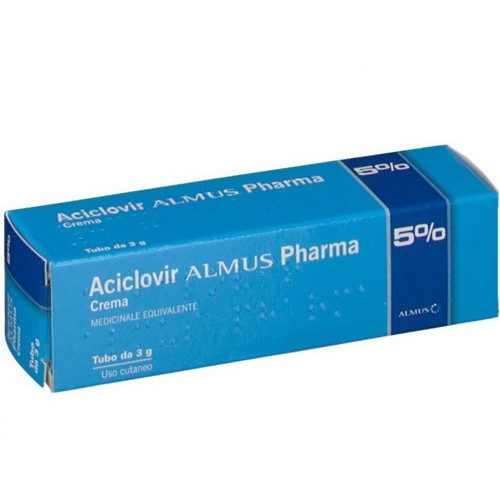
Aciclovir doc cr 3g 5% Doc Pharmacies
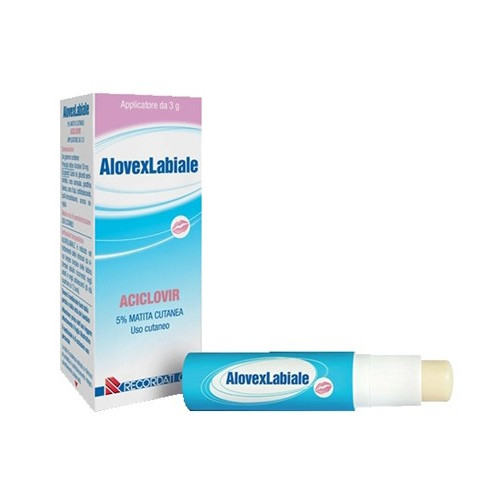
ACICLOVIR DOC GENERICI 5% CREMA
active ingredients
100 g of cream contain 5 g of aciclovir (equal to 50 mg of aciclovir in 1 g cream). Excipient(s) with known effects: propylene glycol and sulphate lauril sodium. For the full list of excipients, see paragraph 6.1.Excellent
Propylene glycol; tephus; labrafil; vaseline oil; 407; sulphate lauril sodium; purified water.Therapeutic indications
Aciclovir cream is indicated in the treatment of skin infections from Herpes simplex such as: Herpes genitalis primary or recurrent and Herpes labialis.Contraindications
Hypersensitivity to the active ingredient, valaciclovir, propylene glycol or any of the excipients listed in the paragraph 6.1.Population
Aciclovir cream should be applied 5 times a day at intervals of about 4 hours. Aciclovir in cream must be applied on injuries or areas where they are developing as early as possible after the infection begins. It is particularly important to begin the treatment of recurring episodes during the prodromi stage or the first appearance of injuries. The treatment must continue for at least 5 days and up to a maximum of 10 if you did not have healing.Conservation
Do not store at temperature above 25°C.Warnings
The product is not for ophthalmic use. It is not recommended to apply aciclovir cream on mucous membranes such as mouth, eyes or vagina because it can cause irritation. Special attention should be paid to avoid accidental application in the eyes. Studies on the animal indicate that the application of aciclovir cream in vagina can cause reversible irritation. The prolonged use of the product may result in awareness-raising, where this happens, it is necessary to stop the treatment and consult the doctor. In severely immunocompromised patients (e.g. patients with AIDS or patients with bone marrow transplant) should be considered the administration of aciclovir in oral formulations. It should be recommended for such patients to consult the doctor regarding the treatment of any infection. Excipient -ACICLOVIR DOC Generic contains 100 mg of glycol propylene in 1 g cream. It can cause skin irritation. Since this medicine contains glycol propylene, do not use it on open wounds or extended areas of damaged skin (such as burns) without having talked to the doctor or pharmacist.- Generic ACICLOVIR DOC contains 10 mg sodium lauril sulphate in 1 g cream. Sodium lauril sulphate can cause skin irritation (sting or burning sensation) or intensify reactions on the skin caused by other medicines when applied on the same area.Interactions
No clinically significant interactions have been identified.Effects
The following Convention was used for the classification of unwanted effects in frequency terms: very common (≥ 1/10), common (≥ 1/100, Skin and subcutaneous tissue pathologies Not common: burning or transient pain after application of aciclovir cream, moderate dryness or skin dequamation and itching. Rare: erythema, contact dermatitis after application. Where sensitivity tests were conducted, it was shown that reactivity phenomena were connected to the components of the cream rather than to aciclovir. Immune system disorders Very rare: immediate hypersensitivity reactions that include angioedema and hives. Reporting of suspicious adverse reactions The reporting of suspicious adverse reactions that occur after the authorization of the medicinal product is important, as it allows continuous monitoring of the benefit/risk ratio of the medicinal product. Healthcare workers are required to report any suspected adverse reaction via the national reporting system at the address https://www.aifa.gov.it/content/segnalazioni-reazioni-avverse.Overdosing
Even if the entire content of a tube containing 500 mg of aciclovir (crema) is ingested, it should not be expected to have side effects, since single doses of 600 mg and daily doses of up to 3600 mg have been administered orally without side effects. Individual intravenous doses up to 80 mg/kg have been administered accidentally without side effects. Aciclovir is dialysis.Fertility
In rats and dogs, reversible toxic effects on spermatogenesis were reported only to systemic dosages considerably higher than therapeutic ones. Studies of two generations in the mouse have not evidenced effects of aciclovir, administered by mouth, on fertility. Data relating to the effects of aciclovir in cream on woman's fertility are not available. Aciclovir in tablets has not shown to have effect on the number, morphology and motility of spermatozoa in man. See “Professional Studies” in the paragraph 5.2.Pregnancy
The use of aciclovir should be considered only when potential benefits exceed any unknown risk, although systemic exposure to aciclovir resulting in the topical application of aciclovir cream is very low. A register on the use of pregnant aciclovir provided data on pregnancy outcomes in women exposed to different aciclovir formulations after marketing. The results of the register did not show an increase in the number of congenital defects among subjects exposed to aciclovir in comparison to the general population and all congenital defects did not show any common peculiarities or characteristics, such as to suggest a unique cause. In conventional tests, internationally accepted, systemic administration of aciclovir has not produced embryotoxic or teratogenic effects in rabbits, rats or mice. In an unconventional experimental test, rats have observed fetal abnormalities but only following subcutaneous doses of aciclovir so high to produce toxic effects in the mother. The clinical relevance of these results is uncertain.Food
Limited data, in the human species, indicate that the drug is found in breast milk after systemic administration. However, the dose received by a milker following the use of aciclovir cream in the mother should be insignificant.Source: Farmadati