VICKS FLUID DAY AND NIGHT FILM-COATED BLANKETS
active ingredients
Day tablets (yellow): One tablet contains 500 mg of paracetamol and 60 mg of pseudoephedrine hydrochloride. Night tablets (blue): One tablet contains 500 mg of paracetamol and 25 mg of difenhydramine hydrochloride. For the full list of excipients, see paragraph 6.1.
Excellent
Yellow tablets (GIORNO):
Compressed core: Microcrystalline cellulose, Sodium crusty, Copovidone, colloidal silicon dioxide, magnesium stearate.
Coating of the tablet: Hypromellose, Talc (E553b), Triacetin (E1518), Pearlescent pigment on mica basis (mixture of: Potassium aluminium silicate (E555)-[mica] and titanium dioxide (E171)), yellow iron oxide (E172). Blue tablet (NOTTE):
Compressed core: Microcrystalline cellulose, Sodium crusty, Copovidone, colloidal silicon dioxide, magnesium stearate.
Coating of the tablet: Ipromellose, Talco (E553b), Triacetin (E1518), Perlescent Pigment based on mica (mix of: Potassium and aluminium silicate (E555)-[mica] and titanium dioxide (E171)), Indaco carminio (E132).
Therapeutic indications
Vicks Flu Night Day is indicated for the short-term symptomatic treatment of nasal and sinus congestion associated with symptoms of cold and flu such as pain, headache and/or fever and only in combination with symptoms of night pain that cause difficulty sleeping Vicks Flu Night Day is indicated in adults and adolescents starting from 15 years of age.
Contraindications
Vicks Flu Night Day is contraindicated in patients with:- Hypersensitivity to paracetamol, pseudophedrine, diphenhydramine or any of the excipients listed in paragraph 6.1. - Patients under 15 years unless prescribed by the doctor. - Concurrent use of other sympathomimetic decongestants, beta-blockers or inhibitors of mono- aminoxydase (IMAO), or within 14 days from the termination of treatment with IMAO (see paragraph 4.5). Concurrent use of IMAO can cause increased blood pressure or hypertensive crisis. - Cardiovascular disease, including hypertension. - Diabetes mellitus. - Feocromocytoma. - Hyperthyroidism. - Glaucoma at a closed angle. - Severe kidney damage. - Urinary retention.
Population
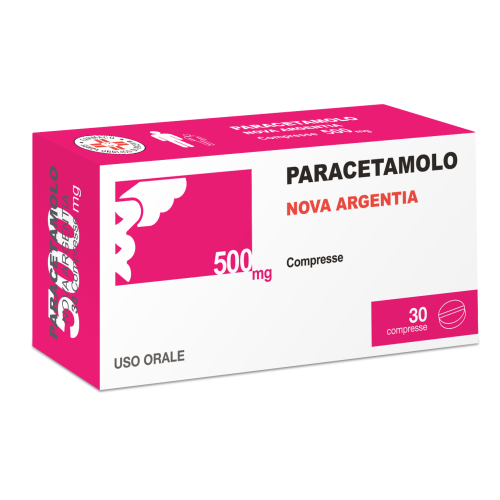
Posology. Adults and teenagers from 15 years of age up: Four tablets a day. Daytime use: Compressed day that does not cause drowsiness (yellow). A yellow tablet to take every 4-6 hours during the day (do not take more than three yellow tablets per day). Night use: Night compression that causes drowsiness (blue). A blue tablet to be taken before bedtime. One tablet at a time and only in the times indicated on the package. Do not take the blue tablet for the night during the day. Treatment should not continue beyond 4 days. Consult your doctor if an adult or adolescent patient has to take the medicine for over 4 days or if the symptoms become worse.
Special groups of patients Senior Patients: The product should not be given to elderly patients suffering from confusion. Sedative antihistamines can cause confusion and paradox excitement in the elderly. According to experience, the normal dose of paracetamol for adults is adequate. However, in elderly, fragile, immobilized individuals, a reduction in dose or frequency of paracetamol administration may be appropriate.
Children under 15 years: The product is not recommended in children under 15 years unless prescribed by the doctor.
Epathetic Comprogation: Patients with impaired liver function should consult a doctor before taking this product.When administering paracetamol to patients with impaired liver function or Gilbert's syndrome, it may be necessary to reduce the dose or prolong the administration interval (see section 4.4).
Kidney damage: Patients with reduced kidney function should consult a doctor before taking this product. In patients with kidney damage, it is recommended to reduce the dose of paracetamol and extend the minimum interval between each administration at least 6 hours. Adults:
| Glomerular filtration rate | Dose |
| 10-50 ml/min | 500 mg every 6 hours |
| | 500 mg every 8 hours |
The maximum daily dose of paracetamol should not exceed 2000 mg in the following cases, unless prescribed by a doctor: - Adults or teenagers weighing less than 50 kg; - Hepatic compromise; - Chronic alcoholism; - Dehydration; - Chronic malnutrition; Do not exceed the dose indicated.
Method of administration: For oral use. Tablets should be ingested whole (not to be chewed) with sufficient liquid.
Conservation
The medicinal product does not require any special conservation conditions.
Warnings
In the following cases the paracetamol should only be administered with special caution (see paragraph 4.2, where relevant): - Hepatic compromise; - Chronic alcoholism; - Renal insufficiency (GFR≤50ml/min); - Gilbert's syndrome (non-hemolytic family) - Treatment with medicines that influence liver function; - Glucose deficiency 6-phosphatededrogenase; - Hemolytic anemia; - Carenza di glutathione; - Dehydration; - Chronic malnutrition; - Weight less than 50 kg; - Seniors. Patients should not take other products containing paracetamol at the same time due to the risk of severe liver impairment in case of overdose. Due to long-term use and high doses of analgesics, headaches may not be treated with higher doses of analgesics. In general, the usual intake of analgesics, in particular a combination of different analgesic substances, can lead to permanent kidney damage with risk of kidney failure. The sudden interruption after prolonged use and at high doses of analgesics can lead to headaches, fatigue, muscle pain, nervousness and autonomous symptoms. These suspension symptoms resolve within a few days. Until then, further analgesic intake must be avoided and restarted only after medical advice. Patients should not take other sympathomimetic products in conjunction, including other nasal or eye decongestants. During treatment with this medicine, alcoholic beverages should be avoided. Paracetamol must be used with caution in subjects dependent on alcohol (see paragraph 4.5). The risk of overdose is greater in patients with non-cirrhotic alcoholic hepatopathy. This medicine should be used with caution in patients with: - Cardiovascular disease, - Diabetes, - Prostatic hypertrophy, as it may be subject to urinary retention and dysuria, - Vascular occlusive disease (e.g. Raynaud Phenomenon) - Psychosis, - Chronic cough, asthma or emphysema. Older patients can be particularly sensitive to the effects of pseudophedrine on the central nervous system. It is recommended to use this medicine only when symptoms (pain and/or fever, congestion) are present. It must only be used for a few days. If symptoms persist for over 3 days or worsen, patients should consult the doctor. In case of surgery it is recommended to interrupt treatment a few days before. The use of halogenated anesthetics can increase the risk of hypertensive crisis (see paragraph 4.5). You should avoid use in patients with congenital long QT syndrome or other clinically relevant heart disorders (especially coronary heart disease, heart conduction disorders, arrhythmias). It must also be avoided the concomitant use of medicines, which in turn prolong the QT range (e.g. anti-arrhythmic drugs of class IA and III, some antibiotics, antimalarial drugs, neuroleptics) or that cause hypokaliemia (see also paragraphs 4.5, 4.9 and 5.3).
Pediatric population: This product should not be given to children under 15 years of age. Warning related to improper use as a doping agent The pseudoephedrine can determine positivity to certain anti-doping tests. Severe skin reactions: Severe skin reactions such as generalized acute acute exantelosis (AGEP) can occur with products containing pseudoephedrine. This acute pustolose eruption may occur within the first 2 days of treatment, with fever and numerous, small pustulas, mostly not follicular, resulting from a widespread and localized edematous erythema mainly on the skin folds, on the trunk and on the upper limbs. Patients must be carefully monitored. If signs and symptoms such as pyrexia, erythema or numerous small pustulas are observed, the administration of Vicks Flu Night Day should be interrupted and appropriate measures should be taken if necessary. Ischemic Colite: Some cases of ischemic colitis have been reported with pseudoephedrine. Taking pseudo-ephedrine should be interrupted and you should consult a doctor if sudden abdominal pain, rectal bleeding or other symptoms of ischemic colitis develop. Ischemic Optical Neuropatia: Cases of ischemic optical neuropathy have been reported with the pseudoephedrine. The pseudoephedrine should be interrupted if sudden loss of sight or reduction of visual acuity should occur, for example in case of scotoma. This medicine contains less than 1 mmol of sodium (23mg) per coated tablet, which is to say “sodium-free”.
Interactions
Paracetamol: The anticoagulant effect of warfarin and other cumarinic derivatives can be enhanced by prolonged regular use of paracetamol, with increased risk of bleeding. Occasional intake of paracetamol has no significant effects. Metoclopramide or domperidone can determine an increase in the absorption rate of the paracetamol. The hepatotoxicity of paracetamol can be enhanced by the use of drugs rifampin and isoniazide, used for the treatment of tuberculosis. The half-life of chloramphenicol can be prolonged by the paracetamol. Concurrent use of cloramfenicle by topical use is however possible when it is used to treat eye infections. Antiepileptics such as phenytoin, phenobarbital and carbamazepine (enzymatic inductors) can increase the risk of liver impairment. Paracetamol can reduce the bioavailability of lamotrigine, with possible reduction of its effect, due to a possible induction of its metabolism in the liver. Colestramine can reduce the absorption of paracetamol. Colestramine should not be administered before it is spent an hour from paracetamol administration. Regular use of paracetamol at the same time as zidovudine can cause neutropenia and increase the risk of liver impairment. Treatment for gout with probenecid reduces clearance of the paracetamol; therefore the dose of paracetamol can be reduced in case of concomitant treatment. Hepatotoxicity of paracetamol can be enhanced by excessive alcohol intake (see paragraph 4.4) Paracetamol can interfere with the determination of urcemia (through the method of phosphotungstic acid) and glycemia. Salicylates/acetylsalicylic acid may prolong the half-life of paracetamol elimination. Pharmacological interactions have been reported involving paracetamol and a number of other drugs. The clinical meaning in acute use of the posological regime is considered unlikely.
Pseudoefedrina: The pseudoephedrine can enhance the action of mono-aminoxydase inhibitors (IMAO, including moclobemide and brofaromine) and can induce hypertensive crises. The medicine is therefore contraindicated in patients who are taking or taking IMAO in the last two weeks (see paragraph 4.3). Concurrent use of pseudoephedrine with other sympathomimetic or antidepressants (e.g. amitriptiline) can increase the risk of unwanted cardiovascular effects. The pseudoephedrine can reduce the effect of beta-blockers (see paragraph 4.3) and other antihypertensive drugs (e.g. debrisochina, guanetidine, reserpine, methyldopa). The risk of hypertension and other unwanted cardiovascular effects can be increased. The pseudo-ephedrine can interact with halogenated anesthetics such as cyclopropane, alothane, evacuate, isoflurano (see paragraph 4.4). Concurrent use of pseudoephedrine with digoxin and cardiac glycosides can increase the risk of irregular heartbeat or heart attack. Alkaloids of the horned rye (ergotamine and methylrgid): concurrent use may cause an increase in the risk of ergotism. Concurrent use of linezolid can increase the risk of hypertension.
Defendamine: Defenhydramine can enhance the sedative effects of alcohol and other depressants of SNC (e.g. tranquilizers, hypnotics, opioid and anxiolytic analgesics). Mono-aminoxydase inhibitors can prolong and intensify anti-linergical effects of diphenhydramine. As difenhydramine has a certain anti-linergical activity, the effects of some anti-linergical drugs (e.g. atropine, antidepressants tricicyclic) can be enhanced. Defenhydramine is a cytochrome P450 CYP2D6 inhibitor. Therefore, there may be a potential interaction with drugs that are metabolized mainly by CYP2D6, such as metoprolol and venlafaxin. It must be avoided the concomitant use of other medicines that prolong the QT range (e.g. antiarrhythmic drugs of class IA and III, some antibiotics, antimalarial drugs, neuroleptics) or that cause hypopotassiemia (e.g. some diuretics) (see also paragraphs 4.4, 4.9 and 5.3).
Effects
Paracetamol: The adverse events emerging from the historical data of clinical studies are both infrequent and related to limited patient exposure cases. As a result, events reported during a long post-marketing experience with the therapeutic/recommended dose and considered related are shown in the following table and divided into systems and organs according to MedDRA and by frequency. Due to the limited data deriving from clinical trials, the frequency of these adverse events is unknown (can not be estimated on the basis of the available data), but the post-marketing experience indicates that adverse reactions to the paracetamol are rare (from 1/10.000 to
| Anatomical classification | Frequency/Undesirable effects |
| Emolinfopoietic system pathologies | Notable: thrombocytopenia, agranulocytosis, pancitopenia, leucopenia, neutropenia. These effects are not necessarily related to paracetamol. |
| Immune system disorders | Not known: hypersensitivity, including anaphylactic reactions, angioedema, Stevens-Johnson syndrome. |
| Respiratory, chest and mediastinic pathologies | Notable: bronchospasm*. |
| Hepatobiliary diseases | Not known: liver dysfunction. |
| Gastrointestinal diseases | Note: abdominal disorders, diarrhea, nausea and vomiting. |
| Pathologies of skin and subcutaneous tissue | Very rarely have been reported cases of hypersensitivity, including rashes, hives and severe skin reactions with the paracetamol. Very rarely have severe skin reactions reported with paracetamol. |
* There have been cases of bronchospasm with paracetamol, but these are more likely in asthmatic patients sensitive to aspirin or other NSAIDs.
Pseudoefedrine. .
| Anatomical classification | Frequency/Undesirable effects |
| Diseases of the nervous system | Notable: stimulation of the central nervous system (e.g. insomnia, rarely hallucinations). |
| Heart disease | Notable: heart effects (e.g. tachycardia). |
| Vascular diseases | Notable: increased blood pressure, although not in case of controlled hypertension. |
| Pathologies of skin and subcutaneous tissue | Skin rash, itching, erythema, hives, allergic dermatitis. Notable: severe skin reactions, including generalized acute exantematic pustolosis (AGEP). |
| Kidney and urinary pathologies | Notable: urinary retention, especially in patients with prostate hypertrophy. |
| Gastrointestinal disorders | Note: Ischetical Colite |
| Pathologies of the eye | Notable: Ischemic Optical Neuropatia |
Defendamine: Below are the adverse reactions that have been observed in clinical studies and are considered common or very common according to the classification for systems and organs according to MedDRA. The frequency of other adverse reactions identified during post-commercialization use is not known, but these reactions are probably not common or rare.
| Anatomical classification | Frequency/Undesirable effects |
| Systemic pathologies and conditions for administration | Municipalities: Fatigue. |
| Immune system disorders | Do not note: Hypersensitivity reactions, including rash, hives, dispnea and angioedema. |
| Psychiatric disorders | Do not note: Confusion state*, paradox excitement* (e.g. hyperactivity, restlessness, nervousness) * Elders have greater risk of confusion and paradox excitement. |
| Diseases of the nervous system | Municipalities: Sedation, drowsiness, attention disorders, instability, dizziness. |
| Do not note: Convulsions, headache, paresthesia, dyskinesia. |
| Pathologies of the eye | Do not note: A blurred vision. |
| Heart disease | Do not note: Tachycardia, palpitations. |
| Disorders of the respiratory system, chest and mediastinum | Do not note: Inspection of bronchial secretions. |
| Gastrointestinal diseases | Municipalities: Dry mouth. |
| Do not note: Gastrointestinal disorders including nausea and vomiting. |
| Diseases of musculoskeletal system and connective tissue | Do not note: Muscle contractions. |
| Kidney and urinary pathologies | Do not note: Difficulty in urination, urinary retention. |
Reporting of suspicious adverse reactions. The reporting of suspicious adverse reactions that occur after the authorization of the medicinal product is important, as it allows continuous monitoring of the benefit/risk ratio of the medicinal product. Healthcare workers are required to report any suspected adverse reaction through the national reporting system www.agenziafarmaco.gov.it/content/come-segnalare-una-sospetta-reazione-avversa.
Overdosing
Paracetamol: Refer to the local guidelines for the treatment of paracetamol overdose. Hepatic damage is probable in adults and adolescents (≥12 years) who have taken a higher amount of paracetamol 7,5 - 10 g. It is believed that excess amount of a toxic metabolite (usually properly detoxified by glutathione when normal doses of paracetamol are ingested), is irreversibly linked to liver tissue. Ingestion of 5 g or more of paracetamol can lead to liver damage in patients with risk factors (see below). Paracetamol involves a risk of poisoning especially in elderly individuals, children, patients with hepatopathy, chronic alcoholism and patients with chronic malnutrition. Overdose can be fatal in these cases. The risk is greater if the patient (risk factors): - is in long-term treatment with carbamazepine, phenobarbital, phenytoin, primidone, rifampin, St. John's Grass or other drugs that are inductors of liver enzymes, - it regularly assumes excess ethanol compared to the recommended quantities, - it probably has a reduced intake of glutathione, for example in the case of food disorders, cystic fibrosis, HIV infection, inhesia.
Synonyms Symptoms of paracetaminous overdose appearing in the first 24 hours are pallor, hyperhidrosis, malaise, nausea, vomiting, anorexia and abdominal pain. Hepatic damage may not occur up to 48-72 hours after ingestion. This symptomatology may include hepatomegaly, liver dolecy, jaundice, acute liver failure and liver necrosis. It is possible an increase of blood bilirubin, liver enzymes, INR, protrombine time, blood phosphate and blood lactate. These clinical events associated with paracetamol overdose are expected, and among them include fatal events due to lightning liver failure or its sequels. The following sequences of acute liver impairment can be observed following overdose with paracetamol: are considered expected and can be fatal.
| Classification for systems and organs | Adverse event |
| Infections and infestations | Bacterial infection Mycotic infection Sepsi |
| Emolinfopoietic system pathologies | Intravascular Coagulopathy Trombocytopenia |
| Disorders of metabolism and nutrition | Hypoglycemia Hypophosphateemia Lactic acidosis Metabolic acidosis |
| Diseases of the nervous system | Brain Edema Coma (following massive overdose of paracetamol or multipharmaceutical overdose) Encephalopathy |
| Heart disease | Cardiomyopathy Heart arrhythmias |
| Vascular diseases | Hypotension |
| Respiratory, chest and mediastinic pathologies | Respiratory failure |
| Gastrointestinal diseases | Gastrointestinal bleeding Pancreatitis |
| Kidney and urinary pathologies | Acute kidney failure* |
| Systemic pathologies and conditions for administration | Multi organ insufficiency |
*Acute renal failure with acute tubular necrosis, of which low back pain, hematuria and proteinuria are strong indicators, may develop even in the absence of severe hepatic impairment.
Treatment Immediate treatment is essential in the management of paracetamol overdose.Despite the lack of significant and early symptoms, the patient should be transferred urgently to hospital for immediate medical assessment.Symptoms may be limited to nausea or vomiting and may not reflect the severity of the overdose or the risk of organ damage.Treatment should be in accordance with established guidelines;see the British National Formulary (BNF) overdose section.Consider administering activated charcoal within 1 hour of the overdose.Plasma paracetamol concentrations should be measured 4 hours after ingestion (earlier concentrations are unreliable).N-acetylcysteine may be administered within a maximum of 24 hours of paracetamol ingestion, although the maximum protective effect is achieved within 8 hours of ingestion.The efficacy of the antidote is dramatically reduced after this time.If necessary, the antidote N-acetylcysteine should be administered intravenously to the patient in accordance with the established dosing regimen.If vomiting is not a problem, oral methionine may be a suitable alternative for treatment away from hospital.Management of patients who experience severe liver dysfunction more than 24 hours after ingestion should be discussed with the National Poisons Information Service (NPIS) or the hepatobiliary department.
Pseudoefedrina: Due to the nature of this sympathomimetic agent, overdose leads to a central nervous system stimulation. Symptoms are irritability, restlessness, excitement, tremor, seizures, palpitations, hypertension and difficulty in urination. Effects are not related to the dose taken due to interindividual sensitivity to sympathomimetic properties. Symptoms of a sympatomic effect are: Depression of the Central Nervous System (SNC); for example sedation, apnea, cyanosis, coma. SNC stimulation (more likely in children): for example insomnia, hallucinations, seizures, tremors. In addition to the symptoms already mentioned as side effects, the following symptoms may also appear: hypertensive crisis, heart arrhythmias, weakness and muscle tension, euphoria, excitement, thirst, chest pain, dizziness, tinnitus, ataxia, blurred vision, hypotension. In the event of a very serious overdose, it is necessary to intervene to control the seizures; diazepam can be used as an anticonvulsant and sedative. Measures must be taken to support breathing. Beta-blockers can be used to limit possible unwanted effects such as tachycardia, arrhythmia and hypokaliemia. If necessary, you may attempt to remove the drug by performing a gastric lavender. To accelerate the elimination of pseudoephedrine, dialysis or acid diuresis can be used. The catheterization of the bladder may be necessary.
Treatment The necessary measures must be taken to maintain and support breathing and to control seizures. In case you run a gastric lavender. The catheterization of the bladder may be necessary. If desired, the elimination of pseudoephedrine can be accelerated by acid diuresis or dialysis.
Dephenhydramine: Following overdose in adults, moderate symptoms were associated with ingestion greater than 300-500 mg, while severe symptoms were associated with doses greater than 1 g diphenhydramine. Children can be more sensitive to the effects of overdose. Symptoms from mild to moderate overdose may consist of drowsiness, hyperpyressia, anticholinergic effects (myriasis, dry mouth and redness), tachycardia, hypertension, nausea and vomiting. Moderate intoxication can cause the appearance of agitation, confusion and hallucinations. Overdose with higher doses and especially in children can cause symptoms of SNC excitement including insomnia, nervousness, tremors and epileptic seizures. Severe symptoms may consist of delirium, psychosis, epileptic attacks, coma, hypotension, wide QRS range at ECG and ventricular disorders, including point torsions. They are usually reported only in adults following ingestion of large quantities. Rabdomiolisis and kidney failure can rarely develop in patients with prolonged agitation, coma or seizures. Death may occur as a result of respiratory failure or circulatory collapse.
Treatment The treatment of overdose must be symptomatic and supportive. Measures must be taken to quickly empty the stomach (e.g. a gastric lavender) and in cases of acute intoxication the administration of activated carbon may be useful.
Pregnancy:
This medicinal product, as with most medicinal products, should not be used during pregnancy unless the potential benefit of treatment for the mother outweighs any possible risk to the developing foetus.Paracetamol: A large amount of data on pregnant women indicate neither malformative nor foetal/neonatal toxicity caused by paracetamol.Epidemiological studies on neurodevelopment in children exposed to paracetamol in utero show inconclusive results.Paracetamol can be used during pregnancy if clinically needed;however, it should be used at the lowest effective dose for the shortest possible duration and with the lowest possible frequency.Pseudoephedrine: Studies in animals have shown reproductive toxicity (see section 5.3).The use of pseudoephedrine hydrochloride decreases uterine blood flow in the mother, but clinical data are insufficient to delineate the effects on pregnancy.Diphenhydramine: Based on animal studies, diphenhydramine is not thought to increase the risk of congenital anomalies (see section 5.3).However, there are no adequate and well-controlled studies in pregnant women.Diphenhydramine is known to cross the placenta.The use of sedative antihistamines during the third trimester may cause adverse reactions in the newborn.The safety of pseudoephedrine during pregnancy has not been established.Diphenhydramine is known to cross the placenta and should therefore be used during pregnancy only if considered essential by the physician.
Breastfeeding
: In view of the potential cardiovascular and neurological effects of pseudoephedrine, the use of this medicinal product during breastfeeding is not recommended.Paracetamol is excreted in breast milk but not in clinically relevant quantities.Available published data do not contraindicate breastfeeding.A pharmacokinetic study of paracetamol conducted on 12 breastfeeding mothers revealed that less than 1% of an oral dose of 650 mg of paracetamol appeared in breast milk.Similar results have been reported in other studies, therefore maternal ingestion of therapeutic doses of paracetamol does not appear to represent a risk to the infant.Pseudoephedrine passes into breast milk and may affect the breastfed infant (irritability, excessive crying and alteration of the sleep-wake rhythm).It has been estimated that approximately 0.4-0.7% of a single 60 mg dose of pseudoephedrine ingested by a nursing mother is excreted in breast milk within 24 hours.Diphenhydramine is excreted in breast milk, but in unquantified concentrations.Although diphenhydramine levels following therapeutic doses are not thought to be high enough to affect the infant, the use of diphenhydramine during breastfeeding is not recommended.Newborns or premature infants show increased sensitivity to antihistamines.
Fertility
: There are no data available on the effect of paracetamol, pseudoephedrine hydrochloride or diphenhydramine hydrochloride on fertility.
Source: Farmadati