Descrizione Clinica
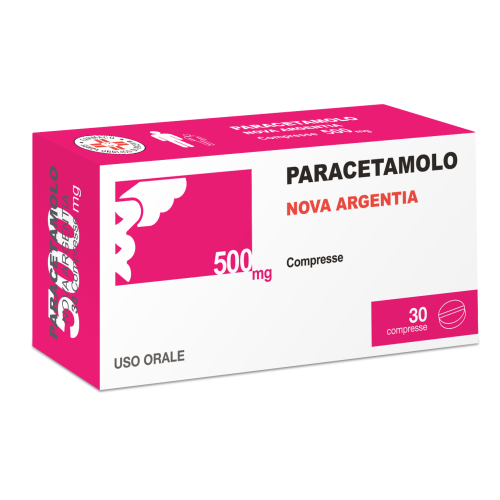
Efferalgan Fever 20cpr eff 330+200mg
EFFERALGAN 330 MG COMPRESSE EFFERENCES WITH VITAMIN C
active ingredients
An effervescent tablet contains Active ingredients: paracetamol 330 mg; ascorbic acid 200 mg. Excipients with known effects: sodium 329,530 mg; sorbitol (E420) 300 mg; benzoate sodium (E211) 50 mg. For the full list of excipients, see paragraph 6.1.Excellent
Potassium hydrogen carbonate, sodium hydrogen carbonate, sorbitol (E420), citric acid, sodium benzoate (E211), , sodium docusato, povidone.Therapeutic indications
Symptomatic treatment of mild to moderate pain and fever conditions in adults and children.Contraindications
Hypersensitivity to paracetamol or acetamol hydrochloride (paracetamol precursor) or any of the excipients listed in paragraph 6.1.Population
To avoid the risk of overdose, check that other medications administered (with or without a prescription) do not contain paracetamol (see paragraphs 4.4 and 4.5). An accidental overdose can cause severe liver damage and death (see paragraph 4.9). Population Efferalgan 330 mg effervescent tablets with vitamin C is reserved for adults and children of body weight equal to or greater than 26 kg (about 8 years or more). In children the posologic patterns must be respected according to body weight and therefore it is necessary to choose a suitable formulation. The correspondence between age and weight is only an orientation. Adults The dosage is 1 or 2 effervescent tablets each administration to be repeated, if necessary, after a interval of at least 4 hours, without exceeding the 9 effervescent tablets per day. Pediatric population Bodyweight children between 26 kg and 30 kg (age between 8 and 10 years): the dosage is of 1 effervescent tablet each administration to be repeated, if necessary, after a interval of at least 6 hours, without exceeding the 5 effervescent tablets per day. Body weight children between 31 kg and 40 kg (age between 10 and 13 years): the dosage is of 1 or 2 effervescent tablets every administration to be repeated, if necessary, after a interval of at least 6 hours, without exceeding the 6 effervescent tablets per day. Bodyweight teenagers between 41 kg and 50 kg (age between 12 and 15 years): the dosage is of 1 or 2 effervescent tablets each administration, to be repeated, if necessary, after a interval of at least 6 hours, without exceeding the 7 effervescent tablets per day. Bodyweight teenagers over 50 kg (about 15 years or more): the dosage is of 1 or 2 effervescent tablets each administration, to be repeated, if necessary, after a interval of 4 hours, without exceeding the 9 effervescent tablets per day. Frequency of administration Regular administrations avoid the oscillation of pain or fever levels. • in children, the interval between administrations must be regular, both day and night, and must be preferably at least 6 hours; • in adults and adolescents, you must always respect a range of at least 4 hours between administrations. Recommended maximum dosage In adults and adolescents weighing more than 40 kg, the total dose of paracetamol should not exceed 3 g per day. Epathetic insufficiency In patients with liver failure, the dose must be reduced or the interval between two prolonged administrations. The maximum daily dose of paracetamol should not exceed 2 g in the following cases: • adults weighing less than 50 kg; • chronic or compensated active hepatopathy, especially those with mild to moderate liver failure; • Gilbert syndrome (family hyperbilirubinemia); • chronic alcoholism; • chronic malnutrition (low liver glutathione reserves); • dehydration. Renal insufficiency In case of severe renal failure (creatiny clearance less than 10 ml/min), the interval between administrations must be at least 8 hours. Duration of treatment After 3 consecutive days of treatment, medical evaluation is required. Method of administration Oral use. Dissolve completely the effervescent tablet in a glass of water and drink immediately. Do not chew or swallow the whole tablet. Because of the presence of vitamin C, avoid taking the medicine at the end of the day.Conservation
Store at a temperature not exceeding 25°C. Store in the original packaging. Keep the container well closed to protect the medicine from moisture.Warnings
During treatment with paracetamol before prescribing any other medication, check that it does not contain the same active ingredient, since if the paracetamol is taken in high doses severe adverse reactions may occur. Invite the patient to contact the doctor before associating any other medication (with or without a prescription) (see paragraph 4.5). In case of chronic treatment with drugs that can determine the induction of liver monooxidases or exposure to substances that may have such an effect, see paragraph 4.5. High or prolonged doses of the product may result in a high-risk hepatopathy and even serious alterations to the kidney and blood. In case of protracted use it is advisable to monitor the liver and renal function and the blood crasis. Paracetamol should be given with caution in the following cases: • patients with mild to moderate liver failure (including Gilbert syndrome), severe liver failure (Child-Pugh >9), acute hepatitis, in treatment with drugs that alter liver function, glucose-6-phosphate-dehydrogenase deficiency, hemolytic anemia; • patients with kidney failure; • chronic alcoholism, anorexia, bulimia or cachessia, chronic malnutrition (low liver glutathione reserves), dehydration, hypovolemia. Alcohol consumption during therapy is not recommended. Prolonged (continuous or repeated) use of analgesics (>3 months) in patients with chronic headache can increase or worsen cephalea. The headache induced by excessive use of analgesics (MOH - Medication-Overuse Headache) should not be treated with an increase in dosage. In these cases, medical evaluation is necessary. For the presence of vitamin C, the medicinal product must be used with caution in patients with disorders of iron metabolism (e.g. hemochromatosis, sideroblastic anemia, thalassaemia), predisposition to the formation of urinary tract calculations and glucose-6-phosphate-dehydrogenase deficiency. Paracetamol can cause severe skin reactions such as generalized acute exantematosis, Stevens-Johnson syndrome and epidermal toxic necrolysis, which can be fatal. Patients should be informed about signs of severe skin reactions, and the use of the drug should be stopped at the first appearance of skin rash or any other sign of hypersensitivity. Important information about some excipients This medicine contains: • 329,530 mg of sodium per tablet, equivalent to 15% of the maximum daily consumption recommended by the WHO, which corresponds to 2 g sodium for an adult. This medicine is therefore considered to be high in sodium. To be considered in patients who follow a low-sodium diet; • 300 mg of sorbitol (E420) per tablet, equivalent to 300 mg/2955 mg: patients with hereditary fructose intolerance should not be given this medicine; • 50 mg of benzoate sodium (E211) per tablet, equivalent to 50 mg/2955 mg.Interactions
Paracetamol may increase the possibility of undesirable effects if administered simultaneously to other drugs. Diagnostic examinations Paracetamol administration may interfere with the determination of uricemia (by the method of phosphotungstic acid) and glycemia (by the method of glucose-oxidase-peroxidase). Antiagulants Concurrent use of paracetamol with cumarinics, including warfarin, can lead to variations of INR values. In such cases, a more rigid monitoring of INR values must be carried out during concurrent use and after termination of treatment with paracetamol. Monooxidase inductors Use with extreme caution and under strict control during chronic treatment with drugs that can determine the induction of liver monooxygenases or in case of exposure to substances that may have such an effect (e.g. reampycin, cimetidine, antiepileptics such as glutethymids, phenobarbital, carbamazepine). Fenitoin Concurrent administration of phenytoin may result in a decreased effectiveness of paracetamol and in an increased risk of hepatotoxicity. Patients in treatment with phenytoin should avoid high doses and/or paracetamol chronics. Patients must be monitored in case of evidence of hepatotoxicity. Probenecid The probenecid causes a reduction of at least twice of paracetamol clearance through the inhibition of its conjugation with glucuronic acid. A reduction in the dose of paracetamol should be considered if administered simultaneously to probenecid. Salicilamide Salicylamide can prolong elimination half-life (t1/2Paracetamol. Flucloxacillin Precaution is required when paracetamol is administered in conjunction with flucloxacillin, due to increased risk of metabolic acidosis with high anionic gap (HAGMA), especially in patients with a risk factor for glutathione deficiency as severe kidney failure, sepsis, malnutrition and chronic alcoholism. Careful monitoring is recommended to detect the occurrence of acid-base balance disorders, especially HAGMA, including the search for 5-oxoproline urinary. Deferoxamine Concurrent administration of high doses of vitamin C with deferoxamine chelante agent can increase tissue iron at toxic levels and lead to heart failure. Concurrent administration with chloramphenicol can induce an increase in the half-life of paracetamol, with the risk of increasing its toxicity. Drugs that slow gastric emptying (p.e. anticholinergics) can determine antral stasis by delaying the absorption of the paracetamol and therefore the onset of the analgesic effect. Use with extreme caution in patients treated with zidovudine.Effects
The table below lists adverse reactions associated with paracetamol administration, resulting from surveillance after marketing. Adverse reactions are listed according to the Classification for Systems and Organs, using MedDRA terminology (inserting PT), The frequency of adverse reactions shown below is not known.| Classification for Systems and Organs | Terms MedDRA |
| Emolinfopoietic system pathologies | Trombocytopenia, Neutropenia, Agranulocytosis, Leucopenia, Anemia |
| Gastrointestinal diseases | Diarrhea, abdominal pain, gastrointestinal reactions |
| Hepatobiliary diseases | Hepatic insufficiency, Hepatic Necrosis, Hepatitis, Alteration of liver function |
| Immune system disorders | Anaphylactic reaction, Anaphylactic Shock, Angioedema, Hypersensitivity, Larynx Edema |
| Diagnostic examinations | Abnormal INR (see paragraph 4.5), increased liver enzymes |
| Pathologies of skin and subcutaneous tissue | Orticaria, Eritema, Multiform Erythema, Eruption of the skin, Acute Exantematic Pustolosis Generalized, Toxic Epidermal Necrolysis, Stevens-Johnson Syndrome, Porpora |
| Diseases of the nervous system | Cefa |
| Ear and labyrinth pathologies | Vertigo |
| Vascular diseases | Hypotension (especially as a result of anaphylaxis) |
| Kidney and urinary pathologies | Acute renal insufficiency, Interstitial Nephritis, Ematuria, Anuria |
| Classification for Systems and Organs | Terms MedDRA |
| Gastrointestinal diseases | Diarrhea, Abdominal Pain |
| Diseases of the nervous system | Chief Minister |
| Kidney and urinary pathologies | Hyperossaluria, Cromaturia |
| Pathologies of skin and subcutaneous tissue | Skin rash |
| Classification for Systems and Organs | Terms MedDRA |
| Emolinfopoietic system pathologies | Agranulocytosis |
| Gastrointestinal diseases | Abdominal pain |
| Hepatobiliary diseases | Hepatitis |
| Immune system disorders | Anaphylactic reaction, Hypersensitivity |
| Pathologies of skin and subcutaneous tissue | Angioedema, Dermatitis, Prurite, Skin rash, Orticaria |
Overdosing
There is a risk of intoxication, especially in patients with liver disease, in case of chronic alcoholism, in patients suffering from chronic malnutrition, and in patients receiving enzyme inductors. In these cases overdose can be fatal. Symptoms generally appear within the first 24 hours and include: nausea, vomiting, anorexia, pallor, malaise and diaphoresis. Overdose with acute ingestion of 7.5 g or more of paracetamol in adults and 140 mg/kg body weight in children causes liver cytolysis that can evolve towards complete and irreversible necrosis, which involves hepatocellular insufficiency, metabolic acidosis and encephalopathy, which can lead to coma and death. At the same time, increased levels of hepatic transaminasis (AST, ALT), dehydrogenase lactic and bilirubin are observed, along with a decrease in the value of protrombine, which can be shown from 12 to 48 hours after administration. Clinical symptoms of liver damage usually occur after one or two days, and reach the maximum after 3-4 days. Rare cases of acute pancreatis have been observed. Emergency measures • Immediate hospitalization.• Before starting treatment, take a blood sample to determine plasma paracetamol levels as soon as possible, but not earlier than 4 hours after the overdose.• Rapid elimination of paracetamol by gastric lavage.• Treatment following an overdose includes administration of the antidote, N-acetylcysteine (NAC), intravenously or orally, if possible, within 8 hours of ingestion.NAC may, however, provide some protection even after 16 hours.• Symptomatic treatment.Liver tests should be performed at the start of treatment and repeated every 24 hours.In most cases, liver transaminases return to normal within one to two weeks with full recovery of liver function.In very severe cases, however, liver transplantation may be necessary.The clinical experience with the use of paracetamol during pregnancy and lactation is limited. Use of the medicine during pregnancy and lactation is not recommended. If, as a result of clinical evaluation, the benefit for the mother exceeds the potential risk for the child, Efferalgan 330 mg effervescent tablets with vitamin C should be used at the lowest effective dose for the shortest possible time and with the lowest possible frequency.
Pregnancy
Paracetamol A large amount of data on pregnant women do not indicate neither malformative toxicity, nor fetal/neonatal toxicity. Epidemiological studies on neurological development in children exposed to paracetamol in uterus show non-conclusive results. If clinically necessary, paracetamol can be used during pregnancy, however it must be used at the lowest effective dose for as short as possible and with the lowest frequency possible.Vitamin C
Vitamin C passes from breast to fetal blood through an active transport mechanism. In view of the limited data on high doses of vitamin C during pregnancy, the use of the medicinal product is not recommended.Food
Paracetamol Paracetamol is excreted in small quantities in breast milk.Rash has been reported in breast-fed infants.However, the administration of paracetamol is considered compatible with breast-feeding.Caution should, however, be exercised when administering paracetamol to breast-feeding women. Vitamin C Vitamin C is excreted in human breast milk.Due to limited data on high doses of vitamin C during breastfeeding, the use of the medicinal product is not recommended.Source: Farmadati